Rewards


Weed hangover is that annoying next-day fog after getting high: groggy, hazy, thirsty, mildly anxious, and wondering why your brain is buffering like it’s on hotel Wi‑Fi.
Good news: it’s common, it’s usually harmless, and you can get back to “normal human” faster than you think. This guide will normalize the experience, explain why it happens (with real biology, not vibes), give you a quick recovery plan, and then help you prevent it next time by choosing products and doses more intelligently.
What a Weed Hangover Feels Like (And Why You’re Not Being Dramatic)
Recommended Products

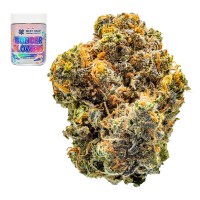
A weed hangover isn’t a formal medical diagnosis. It’s a real-world label people use for lingering effects after cannabis, especially when you used a lot, used late, or used edibles.
Common symptoms include:
- Mental fog, slow thinking, poor focus
- Sleepiness, grogginess, “could nap in a meeting” energy
- Headache or head pressure
- Dry mouth, dry eyes, dehydration vibes
- Dizziness or light nausea
- Lower motivation, low mood, irritability
- Anxiety or that leftover “am I weird?” feeling
- Memory blips (you know what you were doing. It just won’t load.)
Most weed hangovers fade within a few hours to a full day. If you took a strong edible late at night, it can feel longer. Your body isn’t broken. Your endocannabinoid system just had a big night out.
Weed Hangover vs. Still High: Quick Reality Check
Sometimes the “hangover” is simply residual intoxication, especially with edibles.
You’re more likely still feeling active effects if:
- You used edibles within the last 8–12 hours (sometimes longer with high doses)
- Your eyes are still heavy and your coordination feels off
- You feel noticeably altered, not just tired
- You took a dose that was “bold” and then took another because you “felt nothing” (classic)
If you might still be impaired, treat it like you’re still high: don’t drive, don’t operate machinery, don’t do anything that requires sharp judgment. Yes, even if you really want coffee.

Why Weed Hangovers Happen (The Science, Without the Lecture)
Weed hangovers usually come from a few overlapping factors. Think of it like a messy group project where everyone contributed to the chaos.
1) THC sticks around because it’s fat-soluble
THC is fat-soluble, meaning it likes to hang out in fatty tissues. After you consume cannabis, THC gets distributed through the body and can be released back into the bloodstream over time.
This does not mean you’re “high for days.” It means trace effects and metabolites can linger, and for some people that contributes to next-day sluggishness, especially after heavy use or edibles.
Key takeaway: bigger dose + late timing + edibles = higher chance of next-day fog.
2) Edibles create a stronger, longer ride (hello, 11‑hydroxy‑THC)
When you eat THC, your liver converts it into 11‑hydroxy‑THC, which tends to be more potent and longer-lasting than inhaled THC.
That’s why an edible can feel like:
- slower onset
- stronger peak
- longer tail end
- next-day “why am I still like this?”
Key takeaway: edible hangovers are real, and dose discipline matters.
3) Cannabis can mess with sleep quality (especially REM)
Cannabis can help some people fall asleep. But it can also change sleep architecture, particularly REM sleep (the phase linked with dreaming, emotional processing, and cognitive recovery).
When REM gets reduced or shifted, you can wake up feeling:
- unrefreshed
- mentally dull
- moody
- like you slept, but your brain didn’t cash the paycheck
Key takeaway: you can sleep 8 hours and still feel like a toasted bagel.
4) Dehydration and dry mouth aren’t just annoying
Cannabis often causes dry mouth and can nudge you into mild dehydration, especially if you also:
- forgot to drink water (easy)
- ate salty snacks (easier)
- used in a warm environment
- drank alcohol too (now you’re mixing problems)
Mild dehydration can amplify headache, fatigue, and dizziness.
Key takeaway: the “cottonmouth lifestyle” has consequences.
5) Anxiety and overthinking can linger
THC can increase heart rate and trigger anxiety in some people, particularly at higher doses or with certain strains and terpene profiles. Even after the main high fades, you can feel wrung out.
Key takeaway: a rough high can leave a psychological “aftertaste.”
6) Individual factors matter more than people admit
Two people can take the same product and have totally different mornings.
Weed hangovers are more likely with:
- low tolerance or infrequent use
- high-THC products
- large doses (especially edibles)
- late-night use
- poor sleep habits
- stress, anxiety, or dehydration
- mixing with alcohol or sedating meds (talk to a clinician if you’re unsure)
Key takeaway: it’s not just the weed. It’s the whole setup.
How Long Does a Weed Hangover Last?
Typical ranges:
- Smoked/vaped THC: often 2–8 hours of next-day sluggishness, sometimes up to a day after heavy use
- Edibles: can be 8–24 hours, and occasionally longer if the dose was high, your metabolism is slow, or you ate a big fatty meal with it
If you routinely feel terrible the next day, that’s a signal to adjust dose, timing, or product choice.
How to Recover Fast From a Weed Hangover (Do This in Order)
You want the highest-impact actions first. Here’s your no-nonsense recovery stack.
Step 1: Hydrate like you mean it
Start with water, then add electrolytes if you feel headachey, dizzy, or dried out.
Do:
- 16–24 oz (500–700 ml) water soon after waking
- electrolytes (packet, sports drink, coconut water, or salty broth)
- keep sipping steadily for the next couple hours
Don’t:
- chug a gallon instantly and call it “science”
- rely on coffee alone as your hydration plan
Step 2: Eat a real breakfast (protein + complex carbs)
You’re not trying to “soak up THC.” You’re trying to stabilize energy, blood sugar, and mood.
Good options:
- eggs + toast + fruit
- Greek yogurt + oats + berries
- peanut butter + banana + whole-grain something
- tofu scramble if you’re plant-based and proud
If you’re nauseous, go gentle:
- crackers
- bananas
- rice
- ginger tea
Step 3: Get sunlight and move your body for 10–20 minutes
Yes, you can do it. No, you don’t need to deadlift your feelings.
Sunlight helps anchor your circadian rhythm. Light movement improves circulation and alertness.
Do:
- brisk walk outside
- easy bike ride
- mobility/stretching
- a short yoga flow
Avoid:
- punishing workouts if you’re dizzy or anxious
- anything that makes you feel worse “because discipline”
Step 4: Use caffeine strategically (not emotionally)
Caffeine can help with grogginess, but too much can spike anxiety, especially if THC already left you jittery.
Try:
- 1 small coffee or tea
- wait 60–90 minutes after waking (often feels smoother)
- pair with water and food
If you’re anxious: go with tea or half-caff and keep it calm.
Step 5: Shower, then do one “anchoring” task
A warm shower can reduce that stuck, foggy feeling. Then do one small, concrete task to restart your brain.
Examples:
- make your bed
- reply to one email
- take out the trash
- write a 3-item to-do list
Momentum is medicine. Tiny wins count.
Step 6: Consider a nap, but don’t wreck tonight
If you’re truly wiped, take a 20–30 minute nap. Set an alarm. Keep it early afternoon.
Long naps can backfire by making nighttime sleep harder, which extends the hangover into a sequel.
Step 7: Time is still the main ingredient
There’s no instant “sobering pill” for THC. Your liver and time do most of the work. Your job is to support the process and avoid making it worse.

Quick Fixes People Ask About (What Works, What Doesn’t)
“Does CBD help a weed hangover?”
Sometimes. CBD may reduce anxiety for some people and can feel balancing. But it’s not a guaranteed off-switch, and effects vary a lot.
If you try it:
- start low
- choose reputable products
- don’t expect magic
“Will black pepper help?”
There’s a popular claim that smelling or chewing black pepper can reduce THC anxiety. Some people report it helps, possibly related to terpenes like beta-caryophyllene. Evidence is limited, but it’s low-risk in normal food amounts.
If you feel anxious:
- try slow breathing first
- then try pepper, herbal tea, and a calm environment
“Does exercise ‘burn off’ THC?”
Not exactly. Light exercise can help you feel more awake and improve mood. It’s not a detox button. Still worth doing.
“Will I fail a drug test because of a weed hangover?”
A weed hangover doesn’t determine drug test results. Tests detect THC metabolites, which can remain for days or weeks depending on use patterns. If testing matters for you, get accurate guidance and don’t rely on internet folklore.
When a Weed Hangover Might Be a Red Flag
Most of the time, it’s just an unpleasant morning. But pay attention if:
- You have chest pain, severe shortness of breath, fainting, or confusion
- You have persistent vomiting or signs of dehydration you can’t correct
- You feel panic that doesn’t settle after calming strategies
- Symptoms last longer than expected and are intense
If any severe symptoms happen, seek medical care. Also be cautious if you mix cannabis with alcohol, sedatives, or certain prescriptions. If you’re unsure, ask a clinician. Boring advice, lifesaving potential.
How to Prevent a Weed Hangover Next Time (This Is the Part That Actually Changes Your Life)
Recovery is fine. Prevention is better. Prevention is cooler. Prevention lets you enjoy cannabis without sacrificing tomorrow.
1) Stop treating dosage like a personality trait
If you’re inhaling:
- take one small hit
- wait 10–15 minutes
- reassess
- repeat only if needed
If you’re taking edibles:
- start with 2.5–5 mg THC
- wait at least 2 hours before taking more
- yes, two hours
- yes, really
Repetition because it matters: wait two hours.
Most “weed hangover” stories begin with, “It wasn’t working so I took more.” Remember, how much THC dosage you consume can significantly affect your experience.
2) Don’t dose right before bed
Late-night THC, especially high doses, is a top trigger for next-day fog.
Try:
- finishing your session 2–3 hours before sleep
- choosing lower doses in the evening
- avoiding high-THC edibles late at night
If you use cannabis for sleep, keep it consistent, low-dose, and earlier when possible.
3) Choose products based on effect, not just THC percentage
High THC is not automatically “better.” Sometimes it’s just louder.
If you want fewer hangover vibes:
- consider lower-THC options
- consider balanced THC:CBD products
- pay attention to how different strains/terpenes affect you personally
Your goal is a clean landing, not a dramatic launch.
4) Treat hydration like part of the ritual
Make it automatic:
- drink water before you start
- keep water nearby
- drink again before bed
Add electrolytes if you tend to wake up headachey.
5) Don’t mix with alcohol if you want a good morning
Alcohol + THC can intensify impairment and increase the chance of nausea, dehydration, and next-day regret.
If you do both, keep both low. Better yet, pick one.
6) Track what you used (just a little)
You don’t need a spreadsheet. Just note:
- product type (flower, vape, edible)
- THC mg or approximate amount
- time you used it
- how you slept
- how you felt next morning
You’ll find patterns fast. Your body is giving feedback. Listen to it.
Shop Smarter Next Time (So Tomorrow You Doesn’t Hate Today You)
If you’re reading this because you’re currently foggy and annoyed, I respect the honesty. Once you recover, do one favor for Future You: choose your next product with intention.
When you’re browsing a menu, prioritize:
- Lower-dose edibles (2.5 mg, 5 mg) for control
- Balanced THC:CBD options for a smoother ride
- Pre-rolls or flower with moderate THC if you want easier titration
- Vapes with clear labeling so you’re not guessing and hoping
Want the simplest rule? Buy for the morning you want, not the high you can brag about.
Weed Hangover FAQ (Because Your Group Chat Has Questions)
Can you get a weed hangover from a small amount?
Yes, especially if you’re sensitive, low-tolerance, sleep-deprived, or used a strong product. Some people are just lightweight champs. Respect it.
Is a weed hangover worse with edibles?
Often, yes. Edibles last longer and can produce stronger lingering effects, especially at higher doses.
Does tolerance make weed hangovers go away?
Not always. Higher tolerance can reduce intense effects, but frequent use can also affect sleep quality and motivation for some people. The relationship is messy. Like humans.
Is it dangerous?
Usually no, but it can be unsafe if you drive or do risky tasks while still impaired. Severe symptoms or medical concerns should be evaluated by a professional.
What’s the fastest way to feel better right now?
Hydrate, eat, get sunlight, move lightly, and use caffeine carefully. Then give it time. Unsexy. Effective.
Bottom Line
A weed hangover is real, common, and usually temporary. It happens because THC can linger, edibles hit harder and longer, sleep quality can take a hit, and dehydration plus anxiety can pile on.
Recover fast by doing the basics hard: water, electrolytes, food, sunlight, movement, and smart caffeine. Prevent the next one by dosing lower, dosing earlier, and choosing products that match the experience you actually want.
You don’t need to quit cannabis to avoid weed hangovers. You just need to stop treating “more” like it’s always the correct answer.
FAQs (Frequently Asked Questions)
What is a weed hangover and what are its common symptoms?
A weed hangover refers to the lingering effects experienced the day after consuming cannabis, especially after heavy use, late-night use, or edibles. Common symptoms include mental fog, slow thinking, poor focus, sleepiness, grogginess, headache or head pressure, dry mouth and eyes, dizziness or light nausea, low motivation or mood, irritability, anxiety, and memory blips. These symptoms typically fade within a few hours to a full day.
How can I tell the difference between a weed hangover and still being high?
You might still be intoxicated rather than experiencing a hangover if you used edibles within the last 8–12 hours (or longer with high doses), your eyes are heavy, coordination feels off, you feel noticeably altered rather than just tired, or if you took multiple bold doses because you initially felt nothing. If you suspect you’re still impaired, avoid driving or operating machinery until fully sober.
Why do weed hangovers happen from a biological perspective?
Weed hangovers result from several overlapping factors: THC’s fat-solubility causes it to linger in fatty tissues and release slowly; edibles produce 11-hydroxy-THC which is more potent and longer-lasting; cannabis can disrupt REM sleep leading to unrefreshing rest; dehydration from dry mouth and insufficient water intake amplifies fatigue and headaches; THC-induced anxiety can persist after the high fades; and individual factors like tolerance, dose size, timing, stress levels, and mixing substances influence severity.
How do edibles contribute to stronger and longer-lasting weed hangovers?
When you consume THC via edibles, your liver converts it into 11-hydroxy-THC—a compound that is more potent and has a longer duration than inhaled THC. This leads to slower onset of effects but stronger peaks and extended tail ends of intoxication. As a result, edible consumption increases the likelihood of next-day fogginess or hangover symptoms.
Can cannabis affect my sleep quality and contribute to feeling hungover?
Yes. While cannabis may help some people fall asleep faster, it can alter sleep architecture by reducing REM sleep—the phase important for dreaming, emotional processing, and cognitive recovery. Reduced REM sleep can cause you to wake up feeling unrefreshed, mentally dull, moody, or like your brain hasn’t fully recovered despite adequate hours of sleep.
What steps can I take to prevent or recover from a weed hangover?
To prevent weed hangovers: choose lower THC doses especially with edibles; avoid late-night consumption; stay hydrated by drinking water before and after use; avoid mixing cannabis with alcohol or sedating medications; maintain good sleep habits; manage stress and anxiety levels. To recover faster: hydrate well; get restful sleep; eat nutritious foods; rest mentally and physically; avoid activities requiring sharp judgment until fully recovered.
Jenna Renz

Jenna is a California-based creative copywriter who’s been lucky enough to have worked with a diverse range of clients before settling into the cannabis industry to explore her two greatest passions: writing and weed.