Rewards


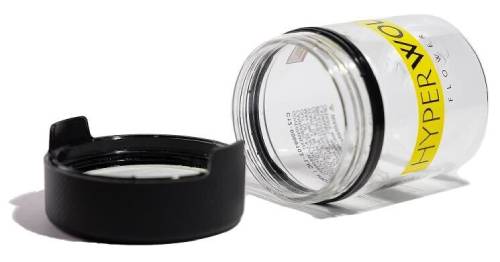

“Top-shelf” is one of those cannabis phrases that sounds official, like it comes with a certificate and a tiny bow tie. So what makes weed “top shelf?”
It doesn’t.
In most places, “top-shelf” is not a regulated grade. It’s marketing. Sometimes it’s honest marketing. Sometimes it’s a glittery lie told by a jar under a spotlight.
So let’s fix that.
This guide gives you a simple, repeatable scoring checklist you can use in-store (or at home) to judge flower like a calm, slightly judgmental professional. You’ll score what actually matters: trim, cure, moisture, aroma complexity, trichome density, cleanliness, storage, and lab info. Then you’ll total it up and decide if it deserves the premium price tag.
First: “Top-Shelf” Isn’t a Grade. It’s a Claim.

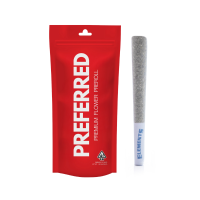
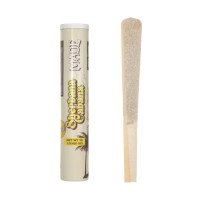


A bottle of wine can be labeled, classified, and verified in ways cannabis often can’t (yet). Cannabis “tiers” are usually store-created categories based on a mix of:
- Bag appeal (pretty buds sell, shocking)
- Brand reputation
- Batch availability
- Lab numbers (sometimes)
- Whatever the buyer decided that morning
Some states regulate testing and labeling, but not the term “top-shelf” itself. Packaging and lab label requirements vary by jurisdiction, but the point stays the same: you need a personal standard.
For what labels typically can and can’t tell you, the FDA’s overview of cannabis and cannabis-derived products is a good reality check:
The Top-Shelf Score: 100 Points, No Drama
Utilize this checklist similar to a flight checklist. Be boring. Be consistent. Be ruthless.
How it works: 8 categories, total 100 points.
- 90–100: True top-shelf (premium in quality, not just price)
- 80–89: Excellent (buy with confidence)
- 70–79: Good (nice, but not worth “exclusive” pricing)
- 60–69: Meh (discount tier wearing a tuxedo)
- Below 60: Pass (unless you enjoy disappointment)
To ensure you’re thorough in your evaluation, consider leveraging a reliable checklist app for recurring tasks. This will help maintain consistency and ruthlessness in your scoring process.
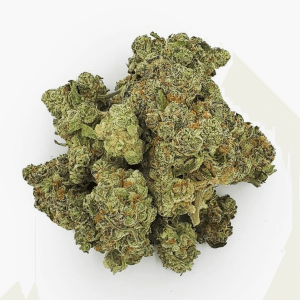
Category 1: Trim Quality (10 points)
Trim is the haircut. Great genetics can still look sloppy with a bad barber.
Score it:
10–9 (Clean, intentional):
- Buds are well-shaped, not shaved to death
- Minimal sugar leaves, but not scalped bare
- No stems jutting out like coat hangers
8–6 (Acceptable):
- Some sugar leaf left (fine)
- Slightly uneven, but not messy
5–0 (Nope):
- Lots of leaf, lots of stem
- “Machine-tumbled” look (buds seem bruised or overly uniform)
- Trim debris collecting in the jar/bag
Pro tip: A little sugar leaf is not a crime. Leafy, stemmy, harsh is the crime.
Category 2: Cure Quality (20 points)
Cure is where top-shelf is made or destroyed. The cure affects smoothness, flavor, aroma, burn, and stability. You can’t “add cure” later. You can only regret.
What a good cure usually means:
- Proper drying (not rushed)
- Controlled humidity during curing
- Stable storage afterward
Score it:
20–17 (Dialed-in):
- Aroma is expressive, not muted
- Buds feel springy, not wet or crunchy
- Smoke/vape is smooth with clear flavor
16–12 (Decent):
- Some aroma, some flavor
- Slight dryness or slight softness, but still enjoyable
11–0 (Poor):
- Hay smell (chlorophyll party)
- Harsh smoke, scratchy throat
- “Green” taste or flat, dusty flavor
If you want a scientific explanation of why curing matters (terpenes, degradation, storage stability), this review is a helpful starting point.
Category 3: Moisture Level (15 points)
Moisture is not vibes. Moisture is physics.
Too dry and you lose terpenes, flavor, and a pleasant experience. Too wet and you risk microbial growth and a bad burn.
Simple checks:
- Bud should compress slightly and bounce back
- Stems should bend a bit before snapping (not fold like a wet noodle, not shatter like glass)
- Grinding should produce fluffy material, not powder and not wet clumps
Score it:
15–13 (Ideal):
- Springy bud structure
- Grinds nicely, smells louder after grinding
12–9 (Slightly off):
- A bit dry or a bit soft, still workable
8–0 (Bad):
- Crispy dust buds
- Spongy, damp buds
- Condensation in packaging (hard pass)
Category 4: Aroma Complexity (15 points)
A “top-shelf” jar should not smell like vague plant.
Aroma is one of the best real-world indicators of freshness, terpene preservation, and proper handling.
What to look for:
- Multiple notes: citrus + gas, berry + cream, pine + spice, etc.
- Clear intensity, not faint
- No off-notes (hay, ammonia, basement, mildew)
Score it:
15–13 (Complex, strong, clean):
- Distinct layers
- Smells stronger after a gentle squeeze or after grinding
12–9 (Good but simple):
- Pleasant, but one-note
- Mild intensity
8–0 (Muted or off):
- Little smell
- Hay, must, sour ammonia, mildew
Terpenes are volatile and degrade with heat, light, oxygen, and time. Storage matters. (We’ll get there.)

Category 5: Trichome Density and Condition (15 points)
Trichomes are the sparkly factories where cannabinoids and terpenes concentrate. More importantly, intact trichomes signal better handling.
What to look for (without a microscope):
- A frosty, consistent sheen (not just on the outer tips)
- Sticky feel (not wet, not greasy)
- Visible heads shimmering under light
What not to fall for:
- “Powdered” buds that look dusted (could be kief-added, could be handled roughly)
- Excess shake collecting in the bottom (trichomes knocked off)
- Overly dry buds that shed trichomes like dandruff
Score it:
15–13 (Frosty and intact):
- Even coverage
- Minimal shake loss
12–9 (Solid):
- Good frost, slight handling wear
8–0 (Weak or damaged):
- Dull, matte look
- Excess shake
- Looks “bald” in spots
If you want a deep dive into trichome biology and cannabinoid production, this overview is useful.
Category 6: Cleanliness and Safety Signals (15 points)
Top-shelf is not just pretty. It’s clean.
This category is about visible contaminants, red flags, and whether the product appears responsibly produced and handled.
Look for:
- No hair, lint, bugs, or weird specks
- No powdery mildew (white/gray fuzzy patches)
- No suspicious webbing
- No black dots or “pepper” that could indicate pests or mold damage
Also consider:
- Is the product lab tested for common contaminants (microbials, pesticides, heavy metals) where applicable?
- Is the packaging sealed and professional?
Score it:
15–13 (Clean, confident):
- No visible issues
- Lab info is present and specific (more in the lab section)
12–9 (Mostly fine):
- No visible contamination, but labeling is thin
8–0 (Red flags):
- Visible contamination
- Strange odor + dampness combo
- Packaging that looks tampered with
For a primer on cannabis contaminants and why testing matters, see this overview on pesticide and contaminant concerns.
Category 7: Storage and Packaging (5 points)
Storage is the silent killer of “top-shelf.”
Light, oxygen, and heat will quietly flatten aroma, flavor, and effect over time.
Best practices you want to see:
- Opaque or UV-protective packaging
- Airtight seal
- Reasonable harvest/package dates
- Stored away from bright lights and heat in the shop
Score it:
5–4 (Protected):
- Good container, good seal, good dates
3–2 (Okay):
- Acceptable packaging but not ideal, or dates unclear
1–0 (Bad):
- Clear plastic, lots of headspace, no seal
- Old product sitting under bright display lighting
Category 8: Lab Info That Actually Helps (5 points)
Lab numbers can be useful. They can also be used like a magic trick: look over here, ignore everything else.
What you want on the label (where legal frameworks require it):
- Cannabinoid breakdown (not just THC)
- Batch/lot number
- Test date and lab name
- A way to verify the COA (QR code or website)
THC is not the whole story. Cannabinoids and terpenes interact in complex ways, and experience varies by person. A high-THC flower can still be flat, harsh, or boring.
For a sober explanation of what THC does and doesn’t tell you, Project CBD has a solid overview aimed at consumers.
Score it:
5–4 (Transparent):
- COA access is easy
- More than just THC is shown
- Dates are clear
3–2 (Basic):
- THC/CBD listed, limited detail
1–0 (Sketchy):
- No COA access
- No dates, no batch, no clarity
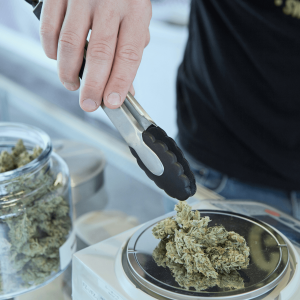
Myth #1: “Just buy the highest THC”
High THC can be great. It can also be a loud engine inside a rusty car.
Why THC-only shopping fails:
- Cure and storage can ruin terpenes even if THC stays high
- Some strains feel better (to you) at moderate THC with rich terpene expression
- Harshness and dryness don’t show up in a THC percentage
Use THC as one data point, not the crown.
Myth #2: “White ash means it’s clean and top-shelf”
Ash color is not a universal truth serum.
Burn characteristics depend on:
- Moisture content
- Cure
- Rolling density / airflow
- Paper and additives (in the wrap)
- Combustion temperature
“White ash only” is an oversimplified internet rule that gets repeated because it sounds cool. Judge the actual experience: smoothness, flavor, cleanliness signals, lab transparency.
Use this in-store. Use it at home. Use it to politely roast overpriced flower.
Trim (10): ___ /10
Cure (20): ___ /20
Moisture (15): ___ /15
Aroma complexity (15): ___ /15
Trichomes (15): ___ /15
Cleanliness (15): ___ /15
Storage/packaging (5): ___ /5
Lab info (5): ___ /5
Total: ___ /100
Verdict:
- 90–100: Top-shelf
- 80–89: Excellent
- 70–79: Good
- 60–69: Meh
- <60: No thanks
How to Use This Checklist in a Dispensary (Without Being That Person)
- Ask for harvest and package dates. Be friendly. Be normal.
- Smell if allowed. If not allowed, ask about aroma and storage, then rely more on dates, brand reputation, and COA access.
- Look for jar integrity. Seals matter. Clear plastic under hot lights is not a love story.
- Don’t get hypnotized by THC. Repeat after me: THC is not the whole story. THC is not the whole story.
- Pay premium only for premium scores. Your wallet deserves boundaries.
Quick Call: When to Pay for “Top-Shelf” (And When to Walk)
Pay the premium when you see:
- Strong, clean, complex aroma
- Springy moisture level
- Great cure (smooth smoke, clear flavor)
- Intact frost and minimal shake
- Transparent lab info and solid packaging
Walk when you see:
- Old dates, dry buds, muted aroma
- Harshness
- Dusty shake at the bottom
- Sketchy labeling
- “Trust me bro” sales energy
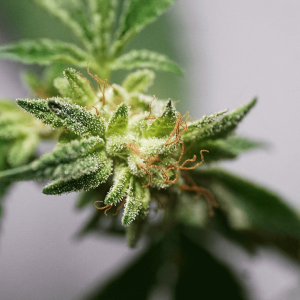
Want the Easy Button? Shop the Premium Collection (With Your Scorecard)
Here’s the move: use the checklist, then buy from the Premium collection when the score backs it up. Premium should mean:
- Better cure and storage practices
- Cleaner trim and handling
- Stronger aroma and better preservation
- Transparent COAs and batch consistency
Don’t buy “top-shelf” because the shelf is higher. Buy it because the flower scores higher.
FAQ: What Makes Weed “Top Shelf”
Is “top-shelf” a legal or regulated term?
Usually, no. “Top-shelf” is typically dispensary marketing, not a standardized grade.
What score should I consider “top-shelf”?
Use 90+/100 as true top-shelf. 80–89 is still excellent and often a better value.
What’s the single most important category?
Cure quality. A great cure can make good genetics shine. A bad cure can ruin everything.
Does higher THC always mean stronger or better?
No. THC is one factor. Terpenes, minor cannabinoids, freshness, cure, and your tolerance heavily influence the experience.
Is white ash proof of quality?
No. Ash color depends on many variables, including moisture content and how it’s rolled. Don’t use it as the only signal.
How fresh should flower be?
There’s no perfect universal number, but in general, more recent harvest and package dates are better, assuming proper curing and storage. If it’s been sitting around for ages, aroma and flavor often suffer.
Can I judge trichomes without a magnifier?
Yes, roughly. Look for even frost, stickiness, and minimal shake loss. A cheap jeweler’s loupe helps, but your eyes can still catch obvious handling damage.
What’s the biggest red flag that something isn’t top-shelf?
Muted hay-like smell + harshness + dryness, especially with old dates and weak labeling. That combo screams “premium price, budget reality.”
Should I prioritize terpene percentage on the COA?
It can help, but treat it like supporting evidence. Your nose and the cure still matter, and terpene testing can vary across labs and methods.
If I can’t smell the flower in-store, what should I do?
Rely more on:
- Harvest/package dates
- Packaging quality and storage conditions
- COA access and batch details
- Brand consistency and reviews
- Then confirm at home using the same scorecard.
Jenna Renz

Jenna is a California-based creative copywriter who’s been lucky enough to have worked with a diverse range of clients before settling into the cannabis industry to explore her two greatest passions: writing and weed.