Rewards



Cannabis consumption has evolved well beyond traditional smoking; from THC vape pens and dab pens to cannabis concentrates and wax pens, many people now prefer discreet, convenient methods of consumption. But one question keeps popping up for users of all experience levels: how long does weed pen stay in pee? Whether you’re worried about a urine drug test for work or just curious about how THC metabolites behave in the human body, understanding the detection windows and factors that influence them is crucial.
In this article, we’ll explore the science behind THC metabolism, detection methods, and the factors that affect how long THC stays in your system. By the end, you’ll have a clear, accurate estimate of how long THC remains detectable and how testing works for occasional users, regular users, and chronic users alike.
How Cannabis Is Metabolized in the Body




When you consume marijuana through a THC vape pen or dab pen, THC enters the bloodstream and begins interacting with your body. THC, the psychoactive component of the cannabis plant, is a highly fat-soluble compound, meaning it binds readily to fat molecules in the human body. Once absorbed, THC undergoes metabolic processes in the liver, where it’s converted into several metabolites, including the primary compound detected in urine tests: THC-COOH.
These stored THC molecules, lodged in fat cells throughout the body, are released slowly over time, which is why cannabis use can remain detectable in urine long after the immediate effects have worn off. The process of metabolizing THC varies based on personal health, body weight, and metabolic processes, making it difficult to provide a one-size-fits-all answer to how long THC stays in the system.

Difference Between THC and THC Metabolites
Many people mistakenly assume that drug tests detect the psychoactive THC itself. In reality, most urine drug tests screen for THC metabolites, particularly THC-COOH. This metabolite is the byproduct of THC being processed in the liver and is a fat-soluble compound, which means it remains in the body longer than the THC responsible for the high.
Because THC-COOH is stored in fat molecules, even after the psychoactive component has been eliminated, traces of THC can still show up in urine drug tests. This is why a person might test positive for THC despite not actively feeling its effects. Understanding the difference between active THC and metabolites is crucial for predicting detection windows and preparing for marijuana drug tests.
Factors Affecting Detection Time
There are several factors that determine how long THC stays in your system and remains detectable in urine. Some of the most important considerations include:
- Frequency of cannabis use: Occasional users often have shorter detection windows than frequent cannabis users.
- Body fat percentage: Because THC is fat soluble, individuals with higher body fat may retain THC metabolites longer.
- Metabolism: People with faster metabolic processes may eliminate THC more efficiently.
- Dosage and potency: Consuming more THC, or more concentrated forms such as wax pens and cannabis concentrates, can result in higher THC levels and longer detection times.
- Hydration and personal health: Hydration, diet, and overall physical health can influence how THC is stored and released from fat cells.
Each person’s urine test results can vary significantly due to these factors, making it difficult to provide a universal detection window.
Single-Use vs. Regular Use Detection
How long THC remains detectable in urine varies depending on how frequently someone uses cannabis. For occasional users, such as someone who consumes marijuana once in a while through vaping weed or smoking cannabis, THC metabolites may remain detectable in human urine for 1–3 days.
For regular users, who might vape THC daily or near daily using a THC vape pen or dab pen, THC can remain detectable for 7–14 days.
For chronic users or heavy users who consume cannabis concentrates, wax pens, or higher doses consistently, THC can stay in your system for up to 30 days or more. These users’ fat cells can store THC metabolites for extended periods, resulting in a very long half life and a prolonged presence in urine.
General Detection Windows in Urine
Urine tests are by far the most common drug testing method, as they are non-invasive and relatively inexpensive. Detection windows depend on the user’s frequency of use, body composition, and the amount of THC consumed.
- Occasional users: 1–3 days
- Moderate users: 7–14 days
- Frequent cannabis users: 15–30 days
- Chronic users: Several weeks, potentially longer
These detection windows are only approximations. Individual factors, including metabolic processes, body fat percentage, and THC concentration in the product consumed, influence results.
How Vaping Affects Detection Compared to Smoking
Vaping weed using a THC vape pen or dab pen delivers THC to the bloodstream quickly, similar to smoking cannabis. However, vaping can sometimes lead to slightly higher THC concentrations because the inhaled vapor is often more potent than smoke.
While vaping might produce a faster high, THC metabolites will still eventually be stored in fat molecules. This means that whether you vape THC or smoke cannabis, THC will remain detectable in urine for comparable periods.
Other Consumption Methods and Detection Differences
Not all cannabis consumption methods behave the same in the human body.
- Edibles and tinctures: THC is absorbed more slowly and metabolized differently, sometimes producing longer-lasting metabolites in fat cells.
- Cannabis concentrates and wax pens: These high-potency products can increase THC levels and extend detection windows.
- Topicals: Rarely contribute to detectable THC in urine unless absorbed in large amounts.
Knowing the method of consumption helps provide a more accurate estimate of how long THC remains detectable in urine and other tests.
The Role of Metabolism in Clearing THC
Metabolism plays a central role in how long THC stays in your system. A person with a fast metabolism may eliminate THC and its metabolites more quickly, while slower metabolic processes can prolong detection.
Factors influencing metabolism include:
- Age
- Diet and exercise habits
- Hormonal balance
- Overall personal health
Understanding your metabolic rate can help provide an accurate estimate of THC stay and improve predictions for urine drug tests.
How Body Fat Affects THC Storage
Because THC is a fat-soluble compound, it binds to fat molecules and can remain in fat cells long after the psychoactive effects fade. Body fat percentage directly influences detection windows:
- Higher body fat: THC metabolites may remain detectable longer.
- Lower body fat: Faster elimination, shorter detection windows.
This storage in fat cells is also why THC has a very long half life compared to other substances and why chronic users can test positive weeks after last consumption.
Hydration and Its Effect on Urine Tests
Hydration plays an interesting role in urine drug tests. Drinking plenty of water may dilute THC metabolites in urine samples, but it doesn’t eliminate THC from fat cells. Over-hydration can sometimes reduce THC concentration in a urine sample temporarily, potentially leading to a lower chance of a positive test.
However, relying on hydration alone is not an effective method to pass a urine test. The body still needs time to metabolize and eliminate THC completely.
What a Standard Urine Test Detects
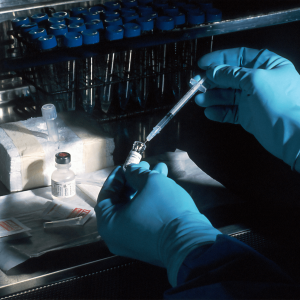
A standard urine drug test measures THC-COOH levels, the primary metabolite of THC. Most tests use a cutoff level of 50 ng/mL, meaning any concentration above this threshold will likely result in a positive test.
Urine drug tests can be:
- Screening tests: Quick, preliminary tests that indicate possible THC presence.
- Confirmatory tests (GC-MS): Highly accurate tests that confirm the presence of THC metabolites.
Urine drug tests are non-invasive and commonly used for workplace screening, substance abuse monitoring, and legal testing.
Common Myths About Detoxing Before Tests
There are many myths surrounding how to pass a urine test after consuming THC. Popular claims include detox drinks, excessive hydration, and “cleansing” products.
- Fact: Most detox methods are ineffective for eliminating THC completely.
- Reality: THC stored in fat cells takes time to metabolize.
- Tip: Abstaining from cannabis and waiting for the body to naturally process THC is the most reliable way to pass a urine drug test.
Preparing for a Drug Test
For those facing a marijuana drug test, preparation is key. While nothing can instantaneously clear THC from the body, understanding detection windows helps.
Tips for preparing for a urine drug test:
- Be aware of your cannabis use frequency and consumption method.
- Maintain personal health through exercise and proper diet to support metabolic processes.
- Understand body weight and fat percentage can influence THC levels.
- Avoid attempting shortcuts or quick detox solutions.
These steps can help manage expectations and increase the likelihood of a clean drug test.
Special Considerations for Medical Cannabis Users
Medical cannabis users face unique circumstances. Even with a prescription, THC metabolites can remain detectable in urine, saliva tests, or hair follicle tests.
- Legal protections may exist depending on local regulations.
- Some workplaces may still require a clean drug test regardless of medical necessity.
- It’s important to disclose medical cannabis use when applicable to ensure compliance with relevant laws and policies.
Understanding False Positives and Negatives
Urine drug tests, while accurate, are not infallible.
- False positives: Can occur due to other substances, medications, or cross-reactivity in the test.
- False negatives: Might happen if the THC concentration is just below the cutoff level.
- Confirmatory testing: Hair tests, blood tests, and GC-MS tests provide more accurate results.
Knowing the limitations of urine drug tests helps users interpret results correctly and reduce anxiety around testing.
Long-Term Users and Chronic Detection Risks
Chronic users or frequent cannabis users face extended detection windows due to stored THC in fat cells. Near daily users often have THC stay in their system for several weeks, sometimes even longer, making it more likely to test positive in a urine test or hair follicle test.
- THC has a very long half life in chronic users.
- Stored THC molecules can slowly release, causing detection in urine drug tests long after abstinence.
Understanding these risks is important for responsible cannabis use and planning around drug testing.
Alternatives to Urine Testing
Urine drug tests are popular, but other testing methods exist:
- Saliva tests (mouth swab): Detect recent THC use, usually within 24–72 hours.
- Blood tests: Detect active THC, highly accurate, but invasive.
- Hair tests: Can detect THC metabolites for up to 90 days; trace amounts accumulate in hair follicles.
Each testing method has unique detection windows and applications, from non-invasive drug tests to highly sensitive hair follicle tests.
Conclusion – Key Takeaways
Understanding how long does weed pen stay in pee requires considering several factors: frequency of use, THC concentration, metabolic processes, body fat percentage, and the testing method. While occasional users may only test positive for a few days, chronic users or those consuming cannabis concentrates may remain detectable for weeks.
Abstinence, personal health, and awareness of metabolic factors are the most reliable ways to pass a urine drug test. Whether consuming THC via a vape pen, dab pen, or cannabis concentrate, understanding how THC behaves in the human body helps users make informed decisions about their cannabis use and testing expectations.
Frequently Asked Questions
1. How long does one hit of a dab pen stay in your urine?
Even a single hit from a dab pen introduces THC into your bloodstream, which is then metabolized into THC-COOH and stored in fat cells. For occasional users, this usually means THC metabolites can be detected in a urine test for 1–3 days. For someone with higher body fat or slower metabolism, trace amounts might linger slightly longer. While one hit is unlikely to produce a prolonged detection window, it’s important to remember that urine drug tests look for metabolites, not the immediate psychoactive effects, so even small amounts can be detected depending on the testing method.
2. How long to stop vaping before a urine test?
The time needed to stop vaping before a urine drug test depends on frequency of use, body fat percentage, and THC concentration. Occasional users may only need to abstain for a few days to test negative, while regular users or those who consume high-potency cannabis concentrates or wax pens may need to abstain for 1–4 weeks to clear THC metabolites sufficiently. Drinking plenty of water, maintaining healthy metabolic processes through diet and exercise, and avoiding additional THC use are important, but there are no guaranteed shortcuts to pass a urine test instantly.
3. How long will drugs show in a urine test?
Detection windows vary based on the substance, usage frequency, and the testing method. For cannabis specifically, urine tests typically detect THC metabolites for:
- Occasional users: 1–3 days
- Moderate users: 7–14 days
- Frequent or chronic users: Up to 30 days or longer
Other substances have different detection windows, and non-invasive drug tests such as saliva tests or hair tests may produce different results. Saliva tests detect recent cannabis use, usually within 24–72 hours, while hair follicle tests can reveal drug use for up to 90 days, storing traces in hair follicles and fat molecules along the way.
Jenna Renz

Jenna is a California-based creative copywriter who’s been lucky enough to have worked with a diverse range of clients before settling into the cannabis industry to explore her two greatest passions: writing and weed.