Rewards


What is cannabis tincture? As the cannabis industry continues to grow, so do the ways we consume it. You’ve got your joints, vapes, edibles, capsules—but cannabis tinctures?
They’ve been around for ages, and they’re finally getting the attention they deserve. Discreet, fast-acting, and easy to dose, tinctures are a solid option whether you’re new to cannabis or just looking for a smokeless, no-fuss way to enjoy it.
But what exactly is a cannabis tincture, and why are so many people turning to it? Let’s break it all down.
Cannabis Tinctures 101: What Is a Cannabis Tincture?



A cannabis tincture is a liquid cannabis extract made by soaking cannabis flower or concentrate in a solvent, typically alcohol or oil. The goal is to extract all the cannabinoids (like THC and CBD) and terpenes from the cannabis strain into a highly concentrated form that’s easy to dose and consume.
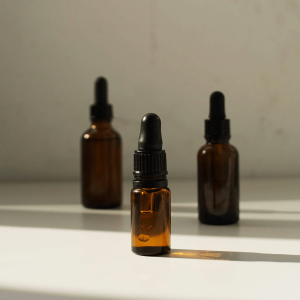
Tinctures are usually administered using a dropper, making them ideal for sublingual (under the tongue) use, but they can also be added to food and drinks. Unlike edibles, tinctures often act faster and allow for more precise dosing—two reasons why they’ve become a go-to for medical users and wellness enthusiasts alike.
A Brief History of Cannabis Tinctures
Cannabis tinctures aren’t some trendy new innovation. In fact, they were among the most common forms of cannabis medicine before prohibition took hold in the early 20th century. Doctors in the 1800s often prescribed cannabis tinctures for ailments ranging from pain to insomnia. You could even find them in pharmacies up until the 1937 Marihuana Tax Act, which criminalized cannabis in the United States.
Fast forward to today, and with legalization gaining traction, more potent tincture options are making a well-deserved comeback—this time with modern extraction methods and lab-tested formulas.
How Are Cannabis Tinctures Made?
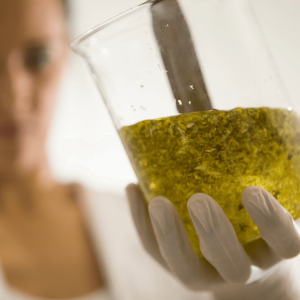
The process of making a tincture starts with decarboxylation—a fancy word for gently heating cannabis to activate the cannabinoids, particularly THC and CBD. Once the beneficial plant compounds are decarbed, it’s soaked in a solvent. In commercial tinctures, this is usually high-proof ethanol or food-grade MCT oil. The soaking process can take hours or even days, allowing the solvent to pull out the desirable cannabis compounds from the plant. Once the infusion is complete, the mixture is strained to remove any plant matter, leaving behind a clean, potent liquid that’s ready to be bottled.
While alcohol-based tinctures are often stronger and have a longer shelf life, oil-based tinctures (MCT oil or coconut oil) are more popular for those who want a milder taste and are sensitive to food grade alcohol. Either way, the result is a product that delivers cannabinoids in a controlled, flexible format.
THC vs. CBD Tinctures
When shopping for tinctures, you’ll usually see products labeled as THC, CBD, or a combination of both. So what’s the difference?
THC tinctures are psychoactive compounds, meaning they’ll get you high. They’re often used for recreational purposes or to help manage issues like pain, insomnia, or lack of appetite. On the flip side, CBD tinctures are non-psychoactive and won’t give you that signature cannabis buzz. They’re commonly used for anxiety, inflammation, or just a general sense of calm.
You might also run into full-spectrum, broad-spectrum, and isolate options. Full-spectrum tinctures contain all the cannabinoids and terpenes from the plant, including trace amounts of THC. Broad-spectrum includes most cannabinoids but removes the THC entirely. Isolate tinctures feature pure CBD or THC with no other compounds. Each has its own pros and cons, but full-spectrum tends to offer the most balanced effects due to the entourage effect—where cannabinoids work better together than alone.
How to Use a Cannabis Tincture
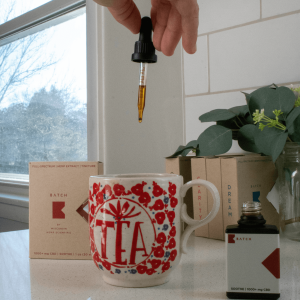
Using a tincture is incredibly simple, which is part of its appeal. The most effective method is sublingual—placing the desired dose under your tongue and holding it there for 30 to 60 seconds before swallowing. This allows the cannabinoids to absorb directly into your bloodstream through the mucous membranes in your mouth, leading to faster onset of effects.
Alternatively, you can mix your tincture into food or beverages. Just keep in mind that ingesting tinctures this way is more like taking cannabis edibles: it takes longer to kick in and passes through your digestive system, which can affect potency and onset time.
Some people also experiment with topical application, but that’s less common and generally less effective unless the tincture is specifically formulated for it.
How Long Does It Take for a Tincture to Kick In?
One of the big advantages of using a tincture—especially sublingually—is how quickly it can work. While everyone’s body is different, most people start to feel effects within 15 to 45 minutes when using a tincture under the tongue. That’s considerably faster than traditional edibles, which can take 1 to 2 hours to kick in.
If you swallow the tincture instead of holding it under your tongue, expect the timeline to shift. Ingested tinctures have to go through your digestive system and liver first, so you’re looking at a delayed onset similar to an edible. Still, it’s a more efficient option than waiting on your digestive system alone to process other cannabinoids from something like a brownie or gummy.
How Long Do the Effects Last?
In general, the effects of a cannabis tincture can last anywhere from 4 to 8 hours, depending on how it’s taken and your personal metabolism. Sublingual use may produce shorter-lasting but quicker effects, while ingesting the tincture could result in a longer, more gradual experience.
Several factors can influence how long a potent tincture lasts for you, including:
- Your body weight and metabolism
- Whether you’ve eaten recently
- The concentration of the tincture
- The specific cannabinoid profile (THC-heavy vs. CBD-heavy)
As with most cannabis products, individual response can vary widely, so start small and see how your body reacts.
Benefits of Cannabis Tinctures
There are plenty of reasons people reach for a tincture over other forms of cannabis. Some of the biggest benefits include:
- Discreet consumption: No smoke, no smell—just a few drops under the tongue.
- Precise dosing: Droppers let you measure exactly how much THC or CBD you’re getting.
- Fast onset: Especially with sublingual use, effects come on quicker than edibles.
- Long shelf life: Especially for alcohol-based tinctures stored properly.
- Versatile usage: Can be used solo, added to food or drinks, or even in some topical routines.
Tinctures make cannabis consumption simple, approachable, and flexible, which is why they’re especially popular among wellness users and medical patients.
Potential Side Effects of Tinctures
Like any cannabis product, tinctures aren’t without potential side effects. Most are mild and dose-dependent, but it’s good to be aware of them. Some of the most common include:
- Dry mouth or “cottonmouth”
- Drowsiness or fatigue
- Dizziness or lightheadedness
- Increased heart rate
- Anxiety or paranoia (usually from too much THC)
It’s also worth noting that cannabis tinctures—especially THC-dominant ones—can interact with medications. If you’re taking any prescription drugs or have a medical condition, talk to a healthcare provider before incorporating tinctures into your routine.
How to Dose Cannabis Tinctures Properly
One of the major perks of tinctures is how easy they are to dose, but you still want to get it right. A good rule of thumb is to start low and go slow—especially if you’re new to cannabis or trying a tincture with THC. Beginners might start with 2.5 to 5mg of THC or 10mg of CBD.
Here’s how to navigate the dropper:
- Check the label: Most tinctures list the total milligrams per tincture bottle and per mL.
- Use the dropper: A full dropper typically holds 1 mL of liquid.
- Divide accordingly: If your tincture has 300mg of THC in a 30mL bottle, that’s 10mg per mL.
Always give it some time to work before redosing. Tinctures may seem subtle at first, but effects can sneak up on you—especially when taken through sublingual administration.
How to Store a Tincture
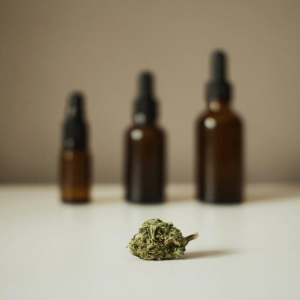
Tinctures are relatively shelf-stable, especially when compared to flower or edibles. To get the most out of your tincture, store it in a cool, dark place away from direct sunlight and heat. A medicine cabinet or drawer works great.
Alcohol-based tinctures tend to last over a year if stored properly. Oil-based tinctures have a slightly shorter shelf life—usually 6 to 12 months. You’ll know it’s going bad if the smell changes, the oil separates strangely, or it loses its potency.
Who Should Use Cannabis Tinctures?
Cannabis tinctures are incredibly versatile, making them suitable for a wide range of users. They’re especially great for:
- People who want to avoid smoking or vaping
- Medical patients who need precise dosing
- New users who prefer to ease in with something controllable
- Experienced users looking for a discreet, portable option
On the flip side, tinctures may not be ideal for folks who dislike the taste of cannabis or struggle with liquid extract consistent dosing. Still, for many users, they strike a perfect balance between convenience, effectiveness, and flexibility.
Are Tinctures Legal?
The legal status of cannabis tinctures depends on where you are and what’s in the bottle. In the United States:
- CBD tinctures made from hemp (containing less than 0.3% THC) are federally legal under the 2018 Farm Bill.
- THC tinctures are only legal in states where recreational or medical cannabis is permitted.
It’s always best to buy from licensed dispensaries or reputable brands that provide third-party lab testing. That way, you know exactly what you’re getting—and you’re staying within the legal lines.
Comparing Tinctures to Other Cannabis Products
Tinctures occupy a unique spot in the cannabis world. Here’s how they stack up against other common formats:
- Vs. Edibles: Faster onset, easier to dose, fewer calories
- Vs. Smoking/Vaping: No lung irritation, longer-lasting effects, discreet
- Vs. Capsules: More flexible dosing, quicker absorption
- Vs. Topicals: Systemic effects vs. localized relief
If you want a fast-acting, long-lasting, and smoke-free cannabis experience, tinctures check all the boxes.
Can You Make Your Own Cannabis Tincture at Home?
Yes, and it’s actually pretty simple if you follow the right steps. You’ll need:
- Decarboxylated cannabis flower
- High-proof alcohol (like Everclear—never use isopropyl!)
- A mason jar, cheesecloth, and a dark glass dropper bottle
You combine the decarbed cannabis plant and alcohol, let it steep in a cool, dark place for a few days to weeks, shake it occasionally, then strain and store. That said, homemade tinctures may not offer the same level of potency precision or safety as professionally made, lab-tested products. And depending on your location, it may not be legal to make your own THC tinctures—so always check your local laws first.
What is Cannabis Tincture: Final Thoughts
Cannabis tinctures offer a smooth entry point if you want to consume cannabis, especially for people looking for convenience, discretion, and control. With their long shelf life, fast-acting effects, and versatile use, they’re one of the most underrated ways to consume THC or CBD. Whether you’re seeking therapeutic benefits or just a mellow buzz, tinctures let you dial in your ideal experience—one drop at a time.
Just remember: start low, go slow, and always buy from reputable sources. With the right approach, cannabis tinctures can easily become a staple in your wellness or recreational routine.
Frequently Asked Questions
1. What is a cannabis tincture used for?
Cannabis tinctures are used for a variety of reasons, both recreational and therapeutic. Many people turn to tinctures for help with managing pain, anxiety, insomnia, inflammation, or stress. Because tinctures offer precise dosing and faster onset than traditional edibles, they’re especially popular among medical users who need controlled, reliable relief. Others use tinctures simply for the psychoactive effects of THC, but in a more discreet and smoke-free way.
2. Is tincture stronger than edibles?
Not necessarily—it depends on the dosage and how your body metabolizes each. A tincture and an edible with the same amount of THC or CBD oils can have similar potency, but the onset and duration will differ. Tinctures taken sublingually tend to hit faster and offer more control over dosing, while edibles take longer to kick in and may produce a stronger body high due to how THC is processed in the liver. So it’s not that tinctures are stronger—they’re just different in how they work.
3. How long does a high last from a tincture?
The effects from a cannabis tincture typically last between 4 to 8 hours, depending on the dose, your metabolism, and how the tincture is consumed. If taking the tincture sublingually, the high might start quicker and taper off a bit sooner. If swallowed or added to food, the effects can take longer to kick in but may linger for a longer period—similar to an edible. As always, your personal tolerance to cannabis concentrates plays a big role.
4. What is the point of a tincture?
The main advantage of a cannabis tincture is flexibility. It’s a fast-acting, smoke-free way to consume cannabis with precision and discretion. Tinctures allow users to easily control their dosage, avoid inhalation, and choose between THC, CBD, or a blend of both depending on their needs. Whether you’re managing symptoms or just looking for a clean high without the ritual of rolling up or eating a gummy, weed tinctures offer a versatile option that fits into almost any lifestyle.
Jenna Renz

Jenna is a California-based creative copywriter who’s been lucky enough to have worked with a diverse range of clients before settling into the cannabis industry to explore her two greatest passions: writing and weed.