Rewards


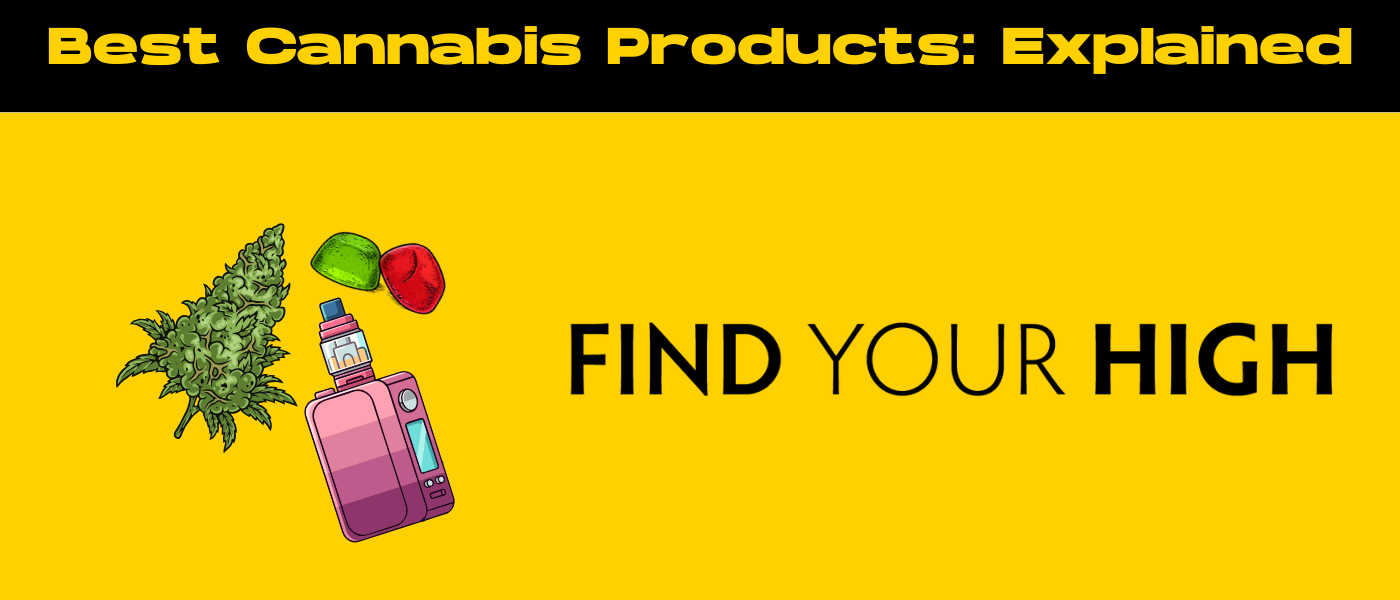
The cannabis industry has exploded into a wide range of options. Gone are the days when “weed” simply meant a baggie of dried flower. Today’s dispensary shelves are filled with vape pens, gummies, concentrates, and even products like cannabis-infused bath bombs that you may not have heard of.
What are the most popular kinds of cannabis products? That’s exactly what we’re exploring here. Whether you’re new to cannabis or an experienced user looking to try something new, understanding the different types of popular cannabis products can help you make better decisions about what you consume.
This guide breaks down the types of cannabis products dominating today’s market—from the classic flower that started it all to cutting-edge concentrates that pack a serious punch. You’ll discover:
- How different cannabis consumption methods affect your experience
- Which most popular weed products suit your lifestyle and preferences
- The unique characteristics that set each product category apart
- Practical insights about potency, onset times, and duration
By the time you finish reading, you’ll be able to confidently navigate the cannabis aisle, knowing what works for you and what might become your new favorite way to consume.
1. Flower: The Traditional Backbone


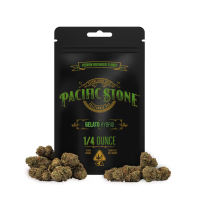
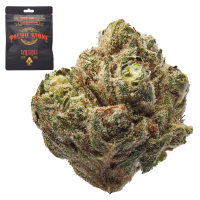
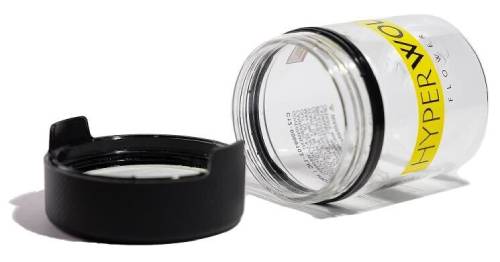
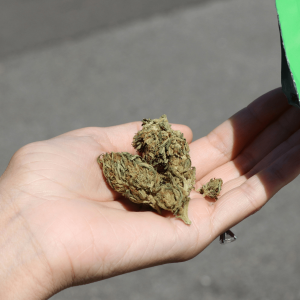
Cannabis flower—those aromatic, resinous buds you’ve seen in dispensary jars—remains the original cannabis product. These are the traditional cannabis buds harvested straight from the plant, dried, cured, and ready to consume. They’re dense, sticky, and covered in trichomes (those sparkly crystals that house cannabinoids and terpenes). The aroma? Think pine forests, citrus groves, or earthy spice cabinets, depending on the strain.
Understanding Strain Types
Indica Sativa Hybrid strains each bring distinct experiences to the table:
- Indica strains typically deliver body-focused relaxation and sedative effects, with THC content ranging from 15-25%. Perfect for evening wind-down sessions.
- Sativa strains lean toward energizing, cerebral highs that spark creativity and focus, often containing 18-28% THC. Your daytime companion.
- Hybrid strains blend both genetics, offering balanced effects tailored to specific needs—think “relaxed but functional.”
Consumption Versatility
The beauty of flower lies in its flexibility. Roll it into joints, pack it in pipes, or load it into bongs for classic smoking experiences. Prefer cleaner consumption? Dry herb vaporizers heat flower to release cannabinoids without combustion, preserving flavor while reducing harshness. When comparing flower vs edibles, flower wins on speed—effects kick in within minutes, not hours—and offers precise dose control through how much you consume per session.
2. Pre-rolls: Convenience Meets Tradition
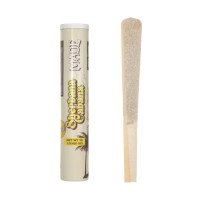
Pre-rolls are exactly what they sound like—cannabis flower that’s been ground, rolled into paper, and sealed for immediate use. Think of them as the grab-and-go option in the cannabis world, eliminating the need for grinding equipment, rolling papers, or any semblance of technique. Twist the end, light it up, and you’re ready.
The surge in pre-roll popularity isn’t mysterious. Time-pressed consumers appreciate skipping the rolling process entirely, while newcomers dodge the learning curve of crafting a decent joint. Producers have capitalized on this demand by implementing consistent quality control, ensuring each ready-to-use joint delivers a predictable experience. No more worrying about uneven burns or loose rolls that fall apart mid-session.
The pre-roll category has exploded beyond basic offerings:
- Classic pre-rolls: Straightforward flower in various strain options
- Infused pre-rolls: Enhanced with concentrates, kief, or hash for amplified potency
- Flavored varieties: Infused with natural terpenes for unique taste experiences
- Multi-strain blends: Combining different cultivars for complex effects
Infused pre-rolls deserve special attention—these powerhouses pack significantly more punch than standard options. They often involve advanced techniques such as those detailed in this guide on infused pre-roll production, which include coating the flower in concentrate or rolling it in kief. They’re not beginner territory. A single infused joint can contain 30-40% THC or higher, compared to 15-25% in regular pre-rolls. Check the packaging carefully before diving in.
3. Vape Pens and Cartridges: Discreet and Immediate Effects
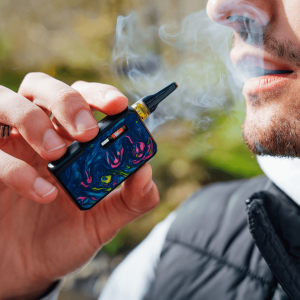
Vape pens have changed the way people use cannabis, providing a stylish option that fits in your pocket and has little smell. These battery-operated devices heat cannabis cartridges filled with concentrated oil to create vapor—no burning, no smoke, just direct delivery of cannabinoids.
The mechanics are refreshingly simple: screw a cartridge onto the battery, press the button (or just inhale on draw-activated models), and you’re good to go. The oil inside varies from distillates to live resin, each offering unique flavors and potency levels that make flower look outdated by comparison.
Vaping effects hit fast—typically within 2-5 minutes—making these devices perfect for precise dosing and immediate relief. You’ll feel the full experience within 15 minutes, a speed that appeals to those who need quick symptom management or simply don’t want to wait around.
The younger crowd has embraced vaping with particular enthusiasm, and the reasons are obvious:
- Portability: Slip it in your bag, coat pocket, or even your sock if you’re feeling creative
- Discretion: The vapor dissipates quickly and smells more like a fruit stand than a dispensary
- Consistency: Each puff delivers a predictable dose, eliminating the guesswork of traditional methods
- Zero prep time: No grinding, rolling, or lighting required
When asking “what are the most popular kinds of cannabis products,” vape pens consistently rank in the top three across dispensaries nationwide.
4. Edibles: Smoke-Free Consumption with Long-lasting Effects
Cannabis edibles have changed the game for those who prefer not to smoke. There are many options available that are both delicious and convenient:
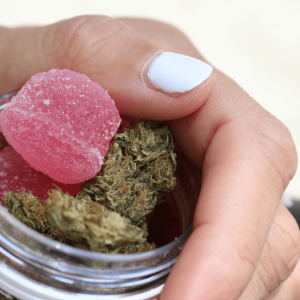
- Gummies: The most popular choice, offering precise dosing in flavors from tropical mango to sour watermelon
- Chocolates: Decadent bars and truffles that mask the cannabis taste with rich cocoa
- Beverages: Cannabis-infused drinks ranging from sparkling waters to craft sodas and even coffee
- Baked goods: Classic brownies, cookies, and artisanal pastries
- Hard candies and mints: Discreet options for micro-dosing throughout the day
The edible onset time sets these products apart from others that work more quickly. While vapes take effect within minutes, edibles require some time—expect to wait 30 minutes to 2 hours before feeling any effects. Your metabolism, what you’ve eaten, and the product’s formulation all play a role in how quickly the effects kick in.
When comparing vapes vs edibles effects, it’s clear that there’s a trade-off: edibles provide a body-focused experience that can last 4-8 hours (sometimes longer), while vapes only last 1-3 hours. The discussion of tinctures vs gummies adds another layer—tinctures placed under the tongue absorb faster (15-45 minutes) than gummies that must go through your digestive system.
Understanding how long edibles last is crucial as it depends on dosage and individual factors, but their extended duration makes them ideal for long-lasting relief or day-long adventures.
5. Concentrates vs Flower: Potency and Experience Differences
Cannabis concentrates are the strongest form of cannabis available, with THC levels that can reach between 60-90%. This is significantly higher than the typical 15-25% range found in flower. Concentrates are made by extracting and concentrating the plant’s most desirable compounds.
The main difference between concentrates and flower is their potency and the intensity of the experience they provide. A single dab of concentrate can have effects similar to several hits of flower, making it appealing to experienced users who need powerful relief or those with higher tolerance levels.
Types of Concentrates
There are various types of concentrates, each with its own unique texture and appearance:
- Wax shatter: This type of concentrate looks like glass and is brittle, snapping cleanly when handled.
- Budder: Budder has a creamy, spreadable consistency similar to cake frosting.
- Live resin: Live resin captures the fresh-frozen terpenes of the plant, resulting in intense flavor profiles.
- Crumble: Crumble breaks apart easily into pieces with a honeycomb-like texture.
How to Consume Concentrates
Consuming concentrates requires specific equipment. Dab rigs, which are modified water pipes with titanium or quartz nails, are used to heat concentrates to precise temperatures and vaporize them instantly. For a more discreet option, portable concentrate vaporizers can be used. These devices have temperature controls that preserve delicate terpenes while still delivering potent effects. Unlike traditional methods of consumption, such as smoking, these devices do not involve combustion and instead produce vapor.
The Learning Curve with Concentrates
Using concentrates can be more challenging compared to other forms of cannabis. It is important to be mindful of dosing when using these products, as even a small amount can have a strong effect. Beginners should approach concentrates with caution and start with very small portions to determine their personal tolerance level.
6. Cannabis Topicals Benefits: Non-Psychoactive Relief Options
Slather, rub, and massage your way to relief—no high required. Cannabis topicals benefits extend far beyond the buzz, making them champions among non-intoxicating cannabis products for those seeking therapeutic effects without altered consciousness.
Various Forms of Cannabis Topicals
These external-use products come in various forms:
- Creams and lotions for everyday muscle soreness
- Balms and salves for targeted joint discomfort
- Transdermal patches for sustained cannabinoid delivery
- Bath bombs and massage oils for full-body relaxation
How Cannabis Topicals Work
The magic lies in how they work. When applied to skin, cannabinoids interact with local CB2 receptors without entering the bloodstream in significant amounts. Translation? You get localized relief right where you need it, zero psychoactive effects included.
Who Uses Cannabis Topicals?
Athletes swear by topicals for post-workout recovery. Arthritis sufferers reach for them during flare-ups. Office workers apply them to tension-filled necks and shoulders. The versatility makes topicals a standout answer to “What are the most popular kinds of cannabis products” among wellness-focused consumers.
Simple Dosing with Cannabis Topicals
Dosing becomes delightfully simple—apply as needed, wait 15-30 minutes for effects, and reapply if necessary. No measuring, no calculating THC percentages, no worrying about taking too much. The worst-case scenario? You might use more product than needed. The skin absorbs what it can, leaving the rest on the surface.
Choosing the Right Cannabis Product Based on Consumer Preferences
With so many cannabis products available, it’s important to be honest with yourself about what you want. When choosing cannabis products based on consumer preferences, the first step is to figure out your main goal. Are you looking to relax after a long day at work? Do you need to boost your focus for creative projects? Or maybe you’re dealing with chronic pain and need some relief?
Consider Your Consumption Method
Your preferred way of using cannabis is just as important as the effects you’re hoping to achieve. Here are some common consumption methods and their corresponding effects:
- Flower or vape pens: These methods provide quick relief, making them ideal for those seeking immediate effects.
- Edibles, tinctures, or topicals: If you’re not a fan of smoking, these alternatives may be more appealing to you.
- Rolling and smoking: This ritualistic approach is favored by traditionalists who enjoy the process of preparing and consuming cannabis.
- Pre-rolls: Busy professionals often opt for pre-rolls because they offer convenience and portability.
Trust Established Brands
When it comes to choosing quality cannabis products, brand reputation plays a crucial role. Look for established producers who are transparent about their testing practices and have positive feedback from customers. These brands are more likely to deliver consistent experiences.
Read Packaging Labels Carefully
Don’t overlook the information on packaging labels—it’s there for a reason. Just like reading nutrition facts, pay attention to details such as THC/CBD percentages, recommended serving sizes, and expected effects. This information will guide you in selecting products that align with your preferences.
Understand Dosage Importance
The right dosage can make all the difference between an enjoyable experience and an uncomfortable one. Remember the saying “start low, go slow”? It’s not just a catchy phrase; it’s advice worth following. Starting with a low dose allows you to gauge how your body reacts before increasing it gradually if needed.
By considering these factors—your goals, consumption method, brand reputation, packaging labels, and dosage—you’ll be better equipped to choose cannabis products that suit your needs.
Beginner-Friendly Product Map and Safety Tips
New to cannabis? This beginner-friendly cannabis guide breaks down marijuana product types by how quickly they work and how long effects last—your cheat sheet for smarter choices.
Quick Reference: Onset Times & Duration
- Vape Pens/Cartridges: 2-15 minutes onset | 1-3 hours duration
- Flower (Smoking): 5-10 minutes onset | 2-4 hours duration
- Edibles: 30-90 minutes onset | 4-8 hours duration
- Concentrates: Immediate-5 minutes onset | 2-4 hours duration
- Topicals: 15-45 minutes onset | 2-6 hours localized relief
Safety First: The Golden Rules
- Start ridiculously low—seriously, half the recommended dose for edibles. You can always take more; you can’t un-take what you’ve already consumed.
- Wait the full onset time before redosing (yes, even when you’re convinced nothing’s happening).
- Keep products locked away from kids and pets.
- Never drive or operate machinery while using cannabis.
- Stay hydrated, keep snacks nearby, and choose a comfortable environment for your first experience.
- Know your product’s THC percentage and stick with single-digit percentages initially.
Conclusion
The world of popular cannabis products keeps expanding, but you’ve got the essentials down: flower, pre-rolls, vapes, edibles, concentrates, and topicals each bring something different to the table. What are the most popular kinds of cannabis products? The ones that match your lifestyle, preferences, and desired effects.
Start low, go slow—especially with edibles and concentrates. Check those labels like your life depends on it (because your experience definitely does). Track what works and what doesn’t. Making informed cannabis choices means respecting potency levels, understanding onset times, and knowing when effects will wear off.
Your cannabis journey is yours to design. Explore responsibly, stay curious, and remember: the best product is the one that delivers exactly what you’re looking for without unwanted surprises.
FAQs (Frequently Asked Questions)
1. What are the most popular types of cannabis products available today?
The most popular cannabis products include traditional flower buds (Indica, Sativa, Hybrid strains), pre-rolls for convenience, vape pens and cartridges for discreet use, edibles like gummies and tinctures offering smoke-free consumption, potent concentrates such as wax and shatter, and non-psychoactive topicals like creams and balms.
2. How do cannabis flower strains differ in effects and consumption methods?
Cannabis flower comes in Indica, Sativa, and Hybrid strains, each providing unique effects ranging from relaxation to focus. Flower can be consumed by smoking or vaporizing, appreciated for its aroma, flavor profiles, and versatility in usage.
3. Why are pre-rolls gaining popularity among cannabis consumers?
Pre-rolls are ready-to-use joints that offer convenience and time-saving benefits. Their consistent quality control and availability in infused or flavored varieties have contributed to their growing popularity for on-the-go consumption.
4. What should beginners know about edibles compared to vaping or smoking cannabis?
Edibles provide a smoke-free alternative with longer-lasting effects but have a delayed onset time compared to vaping or smoking. Beginners should be aware of dosage information and onset times to enjoy a safe and informed edible experience.
5. How do cannabis concentrates compare to flower in terms of potency and usage?
Concentrates like wax and shatter are highly potent forms of cannabis that deliver stronger effects than flower. They are typically consumed using dab rigs or specialized vaporizers, offering an intense experience favored by experienced users.
6. What benefits do cannabis topicals offer without psychoactive effects?
Cannabis topicals such as creams and balms provide localized relief from pain or inflammation without producing any intoxicating effects. They are ideal for users seeking therapeutic benefits without the high associated with other cannabis products.
Jenna Renz

Jenna is a California-based creative copywriter who’s been lucky enough to have worked with a diverse range of clients before settling into the cannabis industry to explore her two greatest passions: writing and weed.