Rewards



Wondering how to grow hemp and why it’s suddenly all the rage? Let’s take a stroll through the fields of this fabulous plant’s history, right up to its current superstar status.
Once shunned for its relation to a certain other plant, hemp has come a long way to become the environmentally friendly guru it is today. It’s now turning heads in other circles, showcasing its versatility from fabric to food. But growing hemp isn’t just trendy; it’s beneficial for our planet and your pocket.
Personal cultivators can enjoy a sustainable supply of materials like hemp oil and seeds, while commercial growers can tap into an expanding market with endless potential. In this blog, we’ll guide you through the green journey from planting your first seeds to reaping a successful harvest. Along the way, you’ll discover smart tips and tricks for nurturing hemp, the monetary and ecological benefits of its cultivation, and why this miracle plant just might save the world—one stalk at a time.
So grab your gardening gloves and let’s get going!
Understanding Hemp


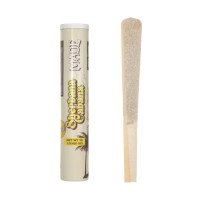
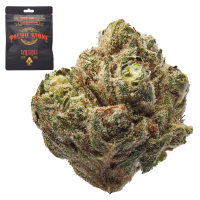
First things first, let’s clear the air about hemp plant versus marijuana plant. Both come from the cannabis plant family, but hemp is low in THC (the psychoactive compound that makes you giggly and hungry) and high in CBD (the mellow magic that doesn’t alter your state of mind).
Industrially, hemp is a workhorse. It’s being transformed into biodegradable plastics, helping us save the planet one plastic cup at a time. And let’s not overlook its health benefits—hemp seeds are like the kale of your pantry, rich in protein, zinc, and those omega-3s everyone is raving about. Now, who knew you could save the environment and your diet at the same time?
Legalities and Licensing
Now, onto the less glamorous, but totally necessary topic of legality. Because nothing sours your hemp high faster than a trip to the courtroom, right? Navigating the legal landscape of hemp cultivation can be tricky, as laws vary wildly between regions—even down to the level of how many plants you can grow on your land without raising eyebrows.
In the U.S., the 2018 Farm Bill made hemp federally legal, yet state laws can still throw some serious curveballs your way. So, to avoid any legal hiccups, starting with thorough research into your specific state or region’s requirements is key.
Obtaining the proper licenses or certifications usually involves a pile of paperwork, maybe a fee or two, and a bit of patience. For commercial growers, understanding those finer details is crucial in turning your cultivated fields into fruitful money makers… without legal interruptions. And once you’re legally set, you’re all clear to grow as you please.
Choosing the Right Hemp Strain
Picking the perfect hemp strain largely depends on what you want it to do. Whether you’re aiming for CBD extraction, fiber production, or seed harvesting, selecting the right strain is crucial. Here’s a little cheat sheet:
- CBD Extraction: Want to extract CBD? Look for strains that are high in CBD and low in THC, such as Cherry Wine or ACDC. These strains are perfect for therapeutic products, without the side effects associated with THC and psychoactivity.
- Hemp Fibers Production: If you’re looking to spin some eco-friendly threads or create sturdy bioplastics, industrial hemp strains like Fibranova or Chinese Hemp might be your choice. These strains grow tall and strong, ideal for textile production and environmental superheroes.
- Seed Harvesting: For those aiming to harvest hemp seeds or oil-rich hemp crops, strains such as Finola or Anka are top picks. They’re the quinoa of the hemp world—nutritious and easy to cultivate.
But let’s not put all our eggs in one basket. Consider your local climate: some strains thrive in sunny skies, while others enjoy a bit of mist. Check the soil type—hemp’s not too picky but appreciates well-drained, organic-rich fields. Finally, think about your plant’s intended use, whether it’s a soothing CBD balm or a hemp-seed smoothie. Choose wisely, and let your crop be fruitful and multiply!
Preparing the Growing Environment
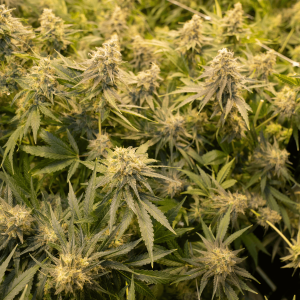
To get your hemp plants waving happily in the breeze, you need to start with the right soil, because let’s face it: healthy roots mean happy shoots! Hemp plants aren’t divas, but they do appreciate a good bed of well-drained soil, preferably sandy loam, rich in organic matter. To truly give them a boost, consider mixing in some compost or organic nitrogen-rich fertilizer to ensure they get the nutrients they crave, like nitrogen, phosphorus, and potassium.
Now, if you’re not growing hemp indoors, let’s talk about sunlight—because no one likes sitting in the dark (except maybe bats). Hemp adores basking in full sun, relishing about 12 to 14 hours of daylight for optimal growth. So, pick a spot in your backyard that catches those golden rays from sunrise to sunset. If your area is prone to cloudy days, consider setting up a greenhouse to keep those rays coming.
And remember, while they love the sun, they’re not camels. Regular irrigation is key, as opposed to overwatering or letting them dry out like raisins in the desert. Aim for consistent moisture that makes Goldilocks green with envy—not too wet, not too dry, but just right! Setting up a drip irrigation system can work wonders, delivering water right to the plant’s roots without causing soil erosion. With these prep steps, your hemp will be prepped for a stellar start, ready to reach new heights and keep those stalks standing strong!
Germination and Planting
Germinating hemp seeds is the first step to growth. To ensure your seeds sprout like a pro, follow these steps:
- Select Quality Seeds: Start with high-quality seeds from a reputable supplier. Ensure they’re bred for your intended purpose, whether that’s CBD production or fiber yield.
- Moisture and Warmth: Seeds need a cozy environment. Place them between damp paper towels or use a seed tray with a humidity dome to keep them warm and moist. The ideal seed germination temperature is around 70-85°F.
- Watch for Sprouts: Typically, hemp seeds will sprout in 3 to 10 days, depending on freshness and conditions. Check daily and make sure the medium stays moist but not waterlogged.
- Light and Air: Once sprouted, provide ample light, preferably using a full-spectrum grow light if natural sunlight isn’t ample at this stage. Ensure good airflow to prevent mold.
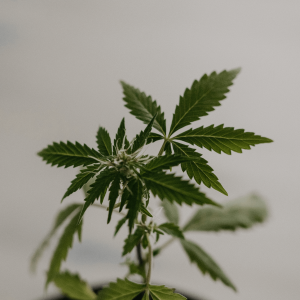
Now that your seeds have matured into lively seedlings, it’s time to transfer them to the great outdoors! Keep in mind that transplanting requires a gentle approach to help them thrive in their new home.
Firstly, ensure the weather is warm, with no threat of frost. Gently loosen the root ball without breaking it, and dig a hole in your prepped soil bed twice as wide and equally deep. Place your seedling in its new home, the roots touching the soil, and cover with surrounding earth, patting softly. Water gently to settle them in, and remember to space each plant adequately to give room for growth. With this care, your seedlings are ready to greet the morning sun and begin growing!
Maintenance and Care
Keeping your hemp plants healthy requires a little TLC and a lot of knowledge. Let’s start with pest control—because nobody wants a pest infestation! Aphids, spider mites, and caterpillars are common hemp enemies. To keep these pests at bay while staying organic, consider using insecticidal soap or neem oil, a staple in any eco-friendly arsenal. You can also let ladybugs join the fight; they love feasting on pests and are the ultimate garden bodyguards.
Next on the agenda is crafting a watering schedule. Hemp plants are not too thirsty but definitely prefer a drink just right. Aim to water once the top inch of soil feels dry, a task easily managed with a drip irrigation system. Just like your desert-loving cactus craves some neglect, your hemp appreciates not being overwatered.
When it comes to nutrients, think of it as a spa day for your hemp and cannabis plants: a balanced fertilizer high in nitrogen, phosphorus, and potassium will keep them vibrant. Mix in some compost tea for that extra dose of goodness!
Finally, we can’t overlook preventative measures for diseases—because an ounce of prevention is worth a pound of cure. Keeping your plants spaced out ensures good airflow, cutting down on mold and mildew. Rotate your hemp crop annually to prevent soil-borne diseases from taking hold.
Regularly inspecting leaves for signs of distress helps to nip any potential outbreaks in the bud. By being proactive with care and adopting these organic practices, your hemp will be singing hallelujahs in no time, harmonizing with every ray of sun and drop of rain.
Harvesting
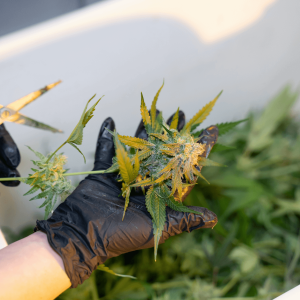
So, when does your beloved hemp signal it’s time to grab the scissors and get to work? The answer lies in the trichomes—those tiny, sparkling resin glands. When they shift from clear to a milky or amber hue, it’s the equivalent of your crop waving a white flag, surrendering to the harvest.
Additionally, observe the pistils; when they turn from white to a rusty brown, it’s another sign your hemp is ready to meet its maker.
Now, let’s talk tools! For a clean and efficient cut, make sure to have the essentials:
- Pruning Shears: Sharp and precise, to avoid damaging those precious stalks.
- Gloves: Protects your hands from sticky resin and offers better grip.
- Tarps or Nets: Handy for catching loose buds or branches.
Use the “angled cut” technique, which helps minimize plant shock and prepare your crop for the post-harvest process. With a little attention to detail, you’ll be well on your way to a rewarding harvest!
Post-Harvest Processing
Once your hemp is harvested, it’s time for some TLC to ensure it reaches its highest potential. Start by focusing on drying—a critical step that can make or break your crop. Hang your plants upside down in a well-ventilated area with humidity levels around 45-55% and temperatures between 60-70°F. This process usually takes 7-10 days, and patience is key to prevent mold and enhance flavor.
As for curing, this step ensures your hemp’s quality really shines. After the initial drying, place your buds in airtight containers, opening them daily to release moisture—a method called “burping.” This helps enhance the aroma and potency over a few weeks.
For storage, channel your inner squirrel and stash your hemp in a cool, dark place. Ideally, maintain jars or bags with a humidity pack to preserve freshness.
Conclusion: The Future of Hemp Growing
The future of hemp growing is not just bright—it’s green and glowing! As we look ahead, it’s clear that hemp’s versatility will continue to position it at the forefront of sustainable farming and innovation. Imagine a world where hemp-derived materials replace plastics, offering an eco-friendly solution to one of our planet’s biggest environmental challenges.
Advances in technology are set to enhance cultivation methods, allowing for increased yields and improved resilience to pests and diseases. On the genetic and biotechnological front, we will likely see the emergence of specialized strains tailored for specific needs, whether it’s higher CBD concentrations or disease-resistant traits.
As the benefits of hemp grow more evident and widespread, the global shift towards eco-conscious living will undoubtedly spur interest and investment in this remarkable plant. For those already dabbling in hemp cultivation, this is an exciting time to expand their endeavors and push the boundaries of what’s possible. And for newcomers, there’s no better moment to join the green movement.
Whether you’re motivated by environmental sustainability, agricultural innovation, or economic potential, the hemp industry offers something for everyone. By embracing hemp, we’re collectively investing in a healthier future for ourselves and our planet. So get your gloves on, dig into the soil, and be part of the change—because the future truly is green!
How to Grow Hemp: Frequently Asked Questions
1. Is hemp easy to grow?
Yes! Hemp is resilient, adaptable, and doesn’t require much fuss. With the right conditions and basic care, it can flourish in various climates without being too much of a diva. Just make sure to give it ample sunlight, well-drained soil, and regular care, and you’ll have a thriving hemp garden in no time.
2. Why is growing hemp illegal?
Well, it’s a bit of a case of mistaken identity! Hemp and its infamous cousin, marijuana, both come from the Cannabis plant family. Historically, they were lumped together, leading to strict regulations due to marijuana’s psychoactive properties. However, hemp contains only trace amounts of THC, the compound that gets you high. Lately, laws have started to lighten up as people recognize hemp’s benefits and non-intoxicating nature.
3. Do you need a license to grow hemp in the US?
In many cases, yes. The 2018 Farm Bill made it federally legal to produce hemp, but it also handed the regulatory torch to individual states. Each has its own set of requirements, and most will ask you to obtain a license, demonstrate your growing plans, and undergo periodic testing to ensure compliance with THC limits.
4. How do I grow hemp in my backyard?
First things first: check your local regulations to make sure that you’re good to go. Then, choose a sunny spot with rich, well-drained soil. Start with quality seeds or clones, plant them after the last frost, and water them regularly without drowning them—think thirsty, not drenched. Keep an eye out for pests and stay organic with neem oil or ladybugs. With a bit of diligence and patience, your backyard will soon be the talk of the neighborhood!
Jenna Renz

Jenna is a California-based creative copywriter who’s been lucky enough to have worked with a diverse range of clients before settling into the cannabis industry to explore her two greatest passions: writing and weed.