Rewards




If you’ve ever cracked open a jar of fresh flower and been hit with that punchy, citrusy scent or a deep, earthy musk, you’ve experienced cannabis terpenes firsthand. These aromatic compounds are responsible for the rich variety of smells and flavors that different strains offer—but their role goes way beyond just making your weed smell good.
Terpenes play a major role in shaping the effects of cannabis, often enhancing or modifying the high you get from THC and CBD. As the cannabis world becomes more sophisticated, terpenes have taken center stage in conversations around strain selection, therapeutic use, and product formulation.
In this guide, we’ll take a closer look at what terpenes are, how they work, and why they matter more than ever in the cannabis experience.
What Are Terpenes?
Terpenes are aromatic compounds found in a wide range of plants, not just cannabis. They’re responsible for the distinct smells of lavender, pine, citrus fruits, and countless herbs. Think: essential oils.
In different cannabis strains, terpenes are secreted in the same trichomes that produce THC, CBD, and other cannabinoids. These oily compounds are part of the plant’s natural defense system, protecting it from pests, fungi, and environmental stress while attracting pollinators with their scent.
While over 100 different terpenes have been identified in medical cannabis, each cannabis strain tends to have a dominant few that contribute to its unique profile. These terpenes not only give each strain its signature aroma characteristics but may also interact with cannabinoids in ways that influence your experience—think more calming, more energizing, or more physically relaxing. Terpenes don’t get you high on their own, but they help steer the effects in a certain direction.

How Terpenes Work with Cannabinoids
You’ve probably heard of the “entourage effect,” a popular theory in the cannabis industry. It suggests that cannabinoids and terpenes work together synergistically to create a more effective and nuanced experience than any single compound can deliver alone. In other words, a strain’s effects aren’t just about its THC percentage—the combination of cannabinoids and terpenes is what really determines how it makes you feel.
For example, myrcene—a terpene known for its sedative, couch-lock effects—may enhance THC’s psychoactive qualities, making a strain feel more intense and relaxing. Limonene, on the other hand, is often associated with elevated mood and energy, and when paired with THC, it can lead to a more upbeat and euphoric high.
The synergy between these molecules is what makes two strains with identical THC levels feel completely different. This collaboration between terpenes and cannabinoids is still being explored by scientists, but the anecdotal evidence and early research are compelling.
Terpenes vs Cannabinoids: Key Differences
While they often get lumped together in cannabis conversations, terpenes and cannabinoids are quite different in their chemical makeup and function. Cannabinoids like THC and CBD interact directly with the body’s endocannabinoid system, binding to receptors (CB1 and CB2) and producing a range of physiological and psychological effects.
Terpenes, on the other hand, don’t bind to those receptors in the same way. Instead, they interact with various receptors in the brain and body to influence mood, inflammation, and other processes. Their main claim to fame in cannabis is how they shape the experience through flavor, aroma, and modulation of cannabinoids. They’re like the supporting cast to THC and CBD’s leading roles—critical to the overall performance, even if they’re not always in the spotlight.
Common Cannabis Terpenes and Their Effects
Cannabis is a complex plant, and its terpene profile plays a huge part in determining not just how it smells, but how it feels. Here are some of the most common cannabis terpenes and what they bring to the table:
- Myrcene: Earthy, musky, and sometimes fruity. Known for its relaxing, sedative effects. Common in indica-leaning strains.
- Limonene: Bright and citrusy, often found in sativa-dominant strains. Promotes elevated mood and stress relief.
- Caryophyllene: Spicy and peppery. Uniquely binds to CB2 receptors and may have anti-inflammatory properties and pain-relieving effects.
- Pinene: Smells like fresh pine. Associated with mental clarity, alertness, and respiratory benefits.
- Linalool: Floral and lavender-like. Known for its calming, anti-anxiety properties.
- Humulene: Earthy and woody. May suppress appetite and reduce inflammation.
- Terpinolene: Sweet and herbal. Less common but found in uplifting sativa strains (like sour diesel), with antioxidant and mild energizing effects.
Each of these terpenes offers a different sensory experience and set of potential benefits, and they often appear in combination, giving each strain its unique fingerprint.
The Science Behind Terpenes: How They’re Formed
Terpenes are biosynthesized in the trichomes of the cannabis plant—the same resinous glands that produce cannabinoids. These volatile compounds are part of the plant’s survival toolkit, offering protection against predators and harsh weather while drawing in helpful insects. Their presence and concentration depend on various factors, including the plant’s genetics, environment, and even the way it’s cultivated.
Everything from soil type and temperature to the amount of light and humidity can influence terpene production. For example, outdoor-grown plants may develop slightly different terpene profiles compared to those grown in a controlled indoor environment. Stress also plays a role—some plants produce more terpenes as a defense mechanism. It’s a complex and dynamic process that makes terpene expression both fascinating and unpredictable.
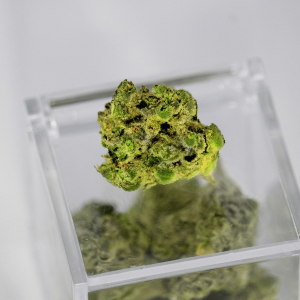
The Role of Terpenes in Cannabis Strain Classification
Forget everything you know about “indica” vs. “sativa.” That binary classification is slowly being replaced by a more nuanced system based on terpene profiles. While strain names still matter, they often tell you less about the effects than the dominant terpenes do.
For example, a limonene-dominant strain—regardless of its indica or sativa label—is more likely to provide a bright, energetic high. A strain rich in myrcene, on the other hand, might feel deeply relaxing or even sedating. This is why many cannabis experts and labs now focus on chemotypes (chemical profiles) to classify products, rather than relying solely on outdated strain categories.
Terpenes and the Entourage Effect
We’ve touched on the entourage effect, but let’s go a bit deeper. This concept suggests that the full spectrum of cannabis compounds—cannabinoids, terpenes, flavonoids, and others—work best together, producing synergistic effects that amplify the therapeutic potential of the plant.
For example, studies have shown that CBD combined with certain terpenes may enhance its ability to reduce anxiety. Similarly, THC paired with myrcene or linalool may be more effective for promoting sleep. The entourage effect helps explain why full-spectrum cannabis products often deliver a more balanced and effective experience than isolated compounds alone. While research is ongoing, the theory continues to gain traction in both medical and recreational circles.
How Terpenes Influence Flavor and Aroma
Terpenes are the unsung heroes behind the sensory delight of cannabis. They’re what make one strain smell like a pine forest and another like a basket of ripe lemons. And that cannabis aroma isn’t just for show—it’s a clue to the kind of experience you might have.
The interaction between your olfactory system and terpenes is powerful. When you smell something you like, it’s often because your body is intuitively drawn to those compounds. Many cannabis consumers use their nose as a guide, and for good reason. A strain that smells appealing to you is more likely to deliver effects your body responds well to. It’s one of the most instinctual and effective ways to pick the right strain.
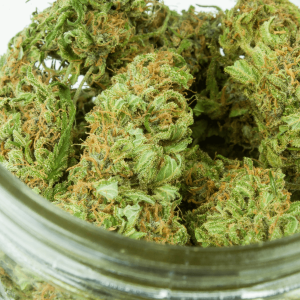
How Terpenes May Affect Your High
You might be surprised to learn that organic terpenes can significantly influence the quality and nature of your high. While THC provides the psychoactive punch, terpenes fine-tune the experience. For example, a strain high in pinene may leave you feeling clear-headed and focused, while a myrcene-heavy strain could lull you into a nap.
The interaction between these compounds and your individual biochemistry also plays a role. One person might find limonene euphoric and energizing, while another might find it overstimulating. This subjectivity is why it’s important to experiment and pay attention to how different terpene profiles make you feel. Over time, you can learn to tailor your cannabis experience based on terpene content, rather than just chasing THC percentages.
Do Terpenes Have Medical Benefits?
The therapeutic potential of terpenes extends far beyond the cannabis world. Many of these compounds have been studied for their medicinal properties in other contexts, such as aromatherapy and herbal medicine. Here’s a quick look at what some of them may offer:
- Myrcene: May have muscle relaxant and anti-inflammatory effects.
- Limonene: Shown to have anti-anxiety, antifungal, and immune-boosting properties.
- Linalool: Known for its calming effects and potential to reduce seizures.
- Caryophyllene: Unique in its ability to bind to CB2 receptors; may help with pain and inflammation.
- Pinene: May support memory and respiratory health.
While clinical research on terpenes in cannabis is still developing, early studies and centuries of anecdotal use suggest promising applications in wellness and medicine. That said, most health claims remain preliminary, and more research is needed to validate their full range of benefits.
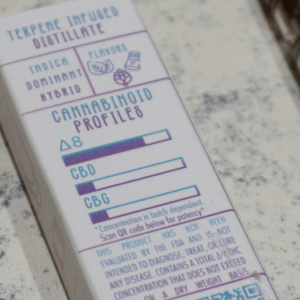
Full-Spectrum vs Terpene-Infused Products
Not all terpenes are created—or extracted—equally. There’s an important distinction between full-spectrum products and terpene-infused ones. Full-spectrum products retain the plant’s original terpene and cannabinoid profile, offering a natural, unaltered experience. These are typically seen as the most authentic representations of a cannabis strain.
Terpene-infused products, on the other hand, are made by adding terpenes—often from botanical (non-cannabis) sources—back into a cannabis extract. While this can help mimic certain effects or flavors, the experience may not be quite as nuanced or synergistic as a true full-spectrum product. If you’re seeking the entourage effect, full-spectrum is generally the way to go. But for targeted effects or flavor preferences, terpene-infused products have their place.
How to Read Terpene Lab Results
Understanding lab results is key to making informed cannabis choices. A Certificate of Analysis (COA) will often list terpene content by percentage, highlighting the dominant terpenes present in a product. For example, a flower might show:
- Myrcene: 0.8%
- Limonene: 0.4%
- Caryophyllene: 0.3%
While these percentages might seem small, even a fraction of a percent can influence your experience. Generally, anything over 1% total terpene content is considered robust. Some premium strains may even exceed 3%. When reading lab results, look for both the diversity of terpenes and their relative amounts—this tells you how rich and complex the strain’s profile really is.
Preserving Terpenes: Tips for Storage and Consumption
Terpenes are delicate compounds that can degrade over time or when exposed to heat, light, or air. If you want to preserve your product’s aroma, flavor, and effects, proper storage and cannabis consumption are key.
Storage tips:
- Keep cannabis in an airtight container (preferably glass).
- Store in a cool, dark place.
- Avoid temperature fluctuations and direct sunlight.
Consumption tips:
- Vaping at lower temperatures (around 315–400°F) helps preserve terpene integrity.
- Smoking burns off many isolated terpenes due to high temperatures.
- Cold extraction methods (like rosin pressing) can help retain more terpenes than solvent-based methods.
Preserving terpenes ensures you get the full sensory and therapeutic experience your flower or concentrate has to offer.
Final Thoughts: Why Terpenes Matter in Cannabis
Terpenes are far more than just a fancy buzzword—they’re a crucial part of what makes cannabis so unique, versatile, and effective. From shaping aroma and flavor to modulating effects and unlocking therapeutic potential, these compounds deserve a front-row seat in the conversation around cannabis quality and customization.
As more people move beyond THC percentages and strain names, terpenes are becoming the guidepost for informed, personalized cannabis use. Whether you’re seeking relaxation, focus, or relief, understanding terpenes gives you the power to choose the right product for your needs. So the next time you take a whiff of a fresh nug, know that you’re not just smelling good weed—you’re tuning into the complex chemistry that makes cannabis a one-of-a-kind plant.
Cannabis Terpenes: Frequently Asked Questions
1. What are the terpenes in cannabis?
Terpenes are the aromatic compounds found in cannabis—and pretty much every other plant—that give each strain its distinctive scent and flavor. Whether a strain smells earthy and piney, sweet and citrusy, or skunky and spicy, that’s the terpenes doing their thing. But terpenes aren’t just about smell. In cannabis, they also play a key role in shaping how a strain makes you feel. Think of them as the unsung collaborators behind the scenes, working alongside cannabinoids like THC and CBD to influence your overall experience.
2. What terpenes get you the highest?
Technically, terpenes don’t get you “high” in the way THC does—but they do affect how that high feels. Some terpenes, like myrcene, are thought to enhance sedation and help THC cross the blood-brain barrier more effectively, potentially intensifying the high. Others, like limonene and pinene, may produce more uplifting or focused effects. So while terpenes alone won’t get you baked, they definitely steer the vibe. It’s less about intensity and more about nuance—think relaxation, euphoria, creativity, or couch-lock, depending on the terpene profile.
3. What is the best cannabis terpene?
There’s no universal “best” terpene—it really depends on what you’re looking to feel. That said, some terpenes consistently stand out:
- Myrcene: Known for its relaxing, sedative properties—great for winding down.
- Limonene: Citrus-scented and uplifting—often associated with mood-boosting effects.
- Caryophyllene: A spicy terpene that also acts on the body’s endocannabinoid system, offering potential anti-inflammatory and therapeutic properties.
- Pinene: Crisp and piney with a slightly woodsy scent, often linked to mental clarity and alertness.
The “best” terpene for you will depend on your preferred effects, whether that’s stress relief, focus, energy, antioxidant properties, or sleep.
4. Is terpene good for you?
In moderation and when derived from natural sources like cannabis or food-grade botanicals, terpenes are generally considered safe—and they might even offer some wellness perks. For example, linalool has been studied for its calming, anti-anxiety effects, while caryophyllene may support immune health and reduce inflammation. However, terpene effects can vary based on the dose, individual biology, and how they’re consumed. As always, it’s best to stick with high-quality products and consult a professional if you’re using cannabis or terpene-heavy products for therapeutic reasons.
Jenna Renz

Jenna is a California-based creative copywriter who’s been lucky enough to have worked with a diverse range of clients before settling into the cannabis industry to explore her two greatest passions: writing and weed.