THCA vs Delta 9 THC: Differences, Effects, Strength & Legality

The cannabis industry has expanded far beyond traditional THC products. Today, consumers often come across terms like THCA, Delta-9 THC, Delta-8 THC, and other cannabinoids while shopping for flower, gummies, and concentrates.

One of the most common questions is:

What is the difference between THCA vs Delta 9 THC?

THCA and Delta-9 THC are closely connected cannabinoids, but they are not exactly the same. THCA (tetrahydrocannabinolic acid) is the naturally occurring acidic form found in raw cannabis plants, while Delta-9 THC (delta-9-tetrahydrocannabinol) is the well-known psychoactive cannabinoid created when THCA is converted through heat.

Understanding the difference between THCA vs Delta 9 THC can help you better understand cannabis labels, product types, effects, legality, and what separates raw cannabis compounds from activated THC products.

Important: This article is for educational purposes only. Cannabis laws vary by state and location. The effects and legality of cannabis products depend on cannabinoid content, product type, local regulations, and individual factors. Always check current laws and product testing information before purchasing or consuming cannabis products.

What Is THCA?

THCA, short for tetrahydrocannabinolic acid, is a cannabinoid naturally produced by the cannabis plant.

When cannabis grows, it primarily produces acidic cannabinoids such as THCA rather than active THC. Fresh cannabis flower contains high levels of THCA before it is exposed to heat.

Unlike Delta-9 THC, THCA is generally considered non-intoxicating in its raw form because it does not interact with the body's cannabinoid receptors in the same way activated THC does.

THCA is commonly found in:

  • Raw cannabis flower
  • Fresh cannabis plants
  • THCA flower products
  • Certain cannabis concentrates

However, THCA does not always remain THCA.

When heat is applied through processes such as smoking, vaping, or cooking, THCA can undergo a chemical reaction called decarboxylation, which removes a carboxyl group and converts THCA into Delta-9 THC.

This conversion is one of the most important concepts when understanding THCA vs THC.

Related: https://hyperwolf.com/blog/thc-vs-terpenes-which-is-more-important


What Is Delta-9 THC?

Delta-9 THC, commonly called THC, is the most recognized psychoactive cannabinoid found in cannabis.

The full name is delta-9-tetrahydrocannabinol, and it is responsible for many of the intoxicating effects associated with cannabis.

Delta-9 THC interacts with the body's endocannabinoid system, particularly cannabinoid receptors such as CB1 receptors located throughout the nervous system.

Delta-9 THC is commonly found in:

  • Cannabis flower
  • THC gummies
  • Cannabis oils
  • Vape products
  • Concentrates
  • Other cannabis-infused products

Unlike raw THCA, Delta-9 THC can produce noticeable psychoactive effects.

Commonly reported Delta-9 THC effects may include:

  • Euphoria
  • Relaxation
  • Altered perception
  • Changes in mood
  • Increased appetite
  • Drowsiness

The experience can vary significantly depending on factors such as dose, tolerance, product type, and individual biology.

THCA vs Delta 9 THC: Key Differences

The easiest way to understand THCA vs Delta 9 THC is to compare how they differ.

THCA vs Delta 9 THC: Differences, Effects, Strength & Legality


The biggest difference comes down to activation.

THCA is the precursor cannabinoid. Delta-9 THC is the activated form.

Does THCA Turn Into Delta-9 THC?

Yes, THCA can convert into Delta-9 THC through decarboxylation.

Decarboxylation happens when heat removes a specific chemical group from THCA, changing its structure and producing Delta-9 THC.

This process occurs during:

  • Smoking cannabis
  • Vaping cannabis
  • Cooking cannabis
  • Heating cannabis concentrates

For example, cannabis flower may contain high THCA levels before use. Once exposed to sufficient heat, some of that THCA converts into Delta-9 THC.

This is why cannabis product labels often show both:

  • THCA percentage
  • Delta-9 THC percentage

Understanding this conversion helps explain why raw cannabis and activated cannabis can produce very different experiences.

THCA vs Delta 9 THC Effects

One of the biggest questions people ask is:

Do THCA and Delta-9 THC feel the same?

The answer is generally no.

THCA Effects

Raw THCA itself is not typically associated with the same intoxicating effects as Delta-9 THC.

People researching THCA are often interested in:

  • Cannabinoid science
  • Raw cannabis compounds
  • THCA flower products
  • Potential differences between acidic and activated cannabinoids

However, research around THCA continues to develop, and many consumer claims online go beyond what current evidence supports.


THCA vs Delta 9 THC: Differences, Effects, Strength & Legality


Delta-9 THC Effects

Delta-9 THC produces the classic cannabis experience many consumers recognize.

Possible effects include:

  • Feeling high or euphoric
  • Relaxation
  • Sensory changes
  • Altered time perception
  • Increased appetite

Effects can vary based on:

  • Amount consumed
  • Cannabis tolerance
  • Consumption method
  • Individual metabolism
  • Product potency

A product containing Delta-9 THC is therefore expected to have a different experience compared with raw THCA.

Is THCA Stronger Than Delta-9 THC?

This is one of the most searched questions around this topic.

The answer depends on what someone means by “stronger.”

If comparing psychoactive effects:

Delta-9 THC is generally considered stronger in terms of immediate intoxicating effects because it is already activated.

THCA itself does not create the same high in its raw form.

However, THCA-rich products can change when heated because some THCA may convert into Delta-9 THC.

Strength can also depend on:

  • Total cannabinoid percentage
  • Product formulation
  • Consumption method
  • Individual response

THCA vs Delta 9 THC: Differences, Effects, Strength & Legality

A high-THCA flower product and a high-Delta-9 THC product may not feel identical because the final experience depends on how cannabinoids are delivered and processed.

THCA Flower vs Delta-9 THC Products

One reason THCA vs Delta 9 THC has become such a popular search topic is the growing availability of THCA flower products.

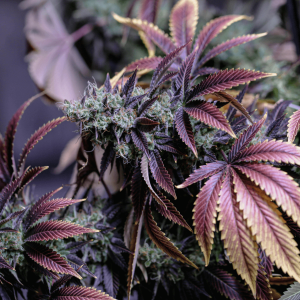
At first glance, THCA flower and traditional cannabis flower can look almost identical. Both may contain cannabinoids, terpenes, and aromatic compounds naturally produced by the cannabis plant.

The main difference is the cannabinoid profile.

THCA Flower

THCA flower refers to cannabis flower that contains high levels of tetrahydrocannabinolic acid before heating.

In its raw state, THCA flower contains mostly acidic cannabinoids. Once exposed to heat, THCA can convert into Delta-9 THC through decarboxylation.

Consumers often compare THCA flower with traditional THC flower because the final experience depends on:

  • How the flower is consumed
  • The cannabinoid profile
  • Total THC content
  • Individual response

Delta-9 THC Flower

Delta-9 THC flower generally refers to cannabis flower with measurable active THC content.

Because Delta-9 THC is already present, it is associated with the traditional cannabis experience.

When comparing THCA flower vs Delta-9 THC flower, the biggest difference is not necessarily the plant itself but the cannabinoid state before consumption.

THCA vs Delta 9 THC: Differences, Effects, Strength & Legality

THCA vs Delta-9 THC Gummies and Edibles

The difference between THCA and Delta-9 THC becomes even more important when discussing edibles.

Unlike smoking or vaping, edible products are processed differently by the body.

Commercial cannabis gummies usually list cannabinoid amounts such as:

  • THC per serving
  • THC per package
  • CBD content
  • Other cannabinoids

Because edibles are formulated products, the label information and certificate of analysis (COA) are important when understanding what is actually inside.

You can learn more about cannabis edible formats through Hyperwolf's guide to cannabis edibles.

When comparing THCA gummies and Delta-9 THC gummies, it is important to understand:

  • The exact cannabinoid listed on the label
  • Whether the product has been tested
  • Total cannabinoid content
  • Applicable state regulations

THCA vs Delta-9 THC Legality

The legality of THCA vs Delta 9 THC is one of the most complicated parts of the discussion.

Many conversations around THCA products reference the 2018 Farm Bill, which legalized hemp containing no more than 0.3% Delta-9 THC by dry weight under federal law.

However, cannabinoid regulations continue to evolve.

Legal status can depend on:

  • How a product is manufactured
  • Total THC calculations
  • State cannabis laws
  • Product testing requirements
  • How regulators interpret hemp-derived cannabinoids

Some states have created additional restrictions around THCA products, while others treat them differently depending on product category.

Because cannabis laws change frequently, always check current state regulations before purchasing or using cannabis products.

Total THC vs Delta-9 THC on Cannabis Labels

Understanding cannabis labels can be confusing because products may display multiple cannabinoid numbers.

You may see:

  • THCA %
  • Delta-9 THC %
  • Total THC %
  • Total cannabinoids

Delta-9 THC

This represents the amount of active Delta-9 THC present in the product.

THCA

This represents the acidic cannabinoid that may convert into THC after heating.

Total THC

Total THC estimates the potential THC content after THCA conversion.

This is why two products with similar-looking labels may not produce identical experiences.

A certificate of analysis (COA) from an independent laboratory can provide additional information about cannabinoid levels, contaminants, and product testing.

Can THCA Show Up on a Drug Test?

A common question is:

Does THCA show up on a drug test?

Drug testing typically looks for THC metabolites rather than simply checking whether a product contains THCA or Delta-9 THC.

Because THCA can convert into Delta-9 THC when heated, and because the body processes cannabinoids into metabolites, THCA products may carry drug-testing considerations.

Factors that influence detection may include:

  • Frequency of use
  • Amount consumed
  • Individual metabolism
  • Testing method
  • Detection thresholds

Anyone subject to workplace, legal, or athletic testing should understand that cannabinoid products may carry testing implications.

THCA vs Delta-8 THC vs Delta-9 THC

The cannabis market now includes many cannabinoid products, which can make comparisons confusing.

Here is a simple overview:

THCA vs Delta 9 THC: Differences, Effects, Strength & Legality


While these cannabinoids come from the same plant family, they interact differently with the body's endocannabinoid system.

How to Choose Between THCA and Delta-9 THC Products

The right option depends on what someone is looking for from a cannabis product.

Things worth considering include:

Product Purpose

Are you comparing flower, gummies, concentrates, or another format?

Different products deliver cannabinoids differently.

Cannabinoid Information

Look beyond marketing claims.

Check:

  • Cannabinoid profile
  • THC content
  • THCA content
  • COA availability
  • Lab testing information

Legal Availability

Cannabis regulations vary significantly between states.

Always verify whether a product category is permitted where you live.

Personal Experience

Cannabinoids can affect people differently.

Factors such as tolerance, metabolism, consumption method, and individual biology all influence the experience.

THCA vs Delta-9 THC: Which One Is Better?

There is no universal answer because THCA and Delta-9 THC serve different purposes.

THCA is primarily discussed as a precursor cannabinoid found in raw cannabis, while Delta-9 THC is the activated cannabinoid responsible for traditional THC effects.

The better choice depends on factors such as:

  • Desired effects
  • Product type
  • Cannabinoid preference
  • Local laws
  • Personal tolerance

Understanding the difference between these cannabinoids is more useful than simply asking which one is “better.”

Final Thoughts on THCA vs Delta 9 THC

THCA and Delta-9 THC may come from the same cannabis plant, but they represent different stages of cannabinoid development.

THCA is the acidic precursor found in raw cannabis, while Delta-9 THC is the activated cannabinoid associated with intoxicating effects.

The biggest difference comes down to conversion.

When THCA is exposed to heat, it can transform into Delta-9 THC through decarboxylation.

As cannabis products continue to evolve, understanding cannabinoid labels, testing information, and local regulations can help consumers make more informed decisions.

FAQ

Jenna Renz

Jenna is a California-based creative copywriter who’s been lucky enough to have worked with a diverse range of clients before settling into the cannabis industry to explore her two greatest passions: writing and weed.

  • Social media icon

Related Blogs

How Long Do Edibles Take to Kick In? (The Honest, Science-Backed Answer)

How Long Do Edibles Take to Kick In? (The Honest, Science-Backed Answer)

If you have ever eaten a cannabis gummy, felt nothing after twenty minutes, and wondered whether you got a dud, you are far from alone. The single most common mistake new and even experienced edibles consumers make comes down to one simple misunderstanding: edibles do not work on the same timeline as smoking or vaping, and treating them like they do is how most uncomfortable experiences happen.

8 Min Sep 22, 2026Jenna Renz

What Are Solventless Rosin Pre-Rolls and Are They Worth the Price?

What Are Solventless Rosin Pre-Rolls and Are They Worth the Price?

Scan the pre-roll section of any California dispensary and you will notice a clear price tier at the top of the shelf. A three dollar classic joint sits next to a rosin coated pre-roll that can cost three or four times as much for a similar sized product. For plenty of consumers, that gap raises an obvious question. What is actually different about a solventless rosin pre-roll, and does it justify the extra cost?

8 Min Sep 22, 2026Jenna Renz